
Consumer wellness guide - 12 min read
How Can I Evaluate Material and Safety Information for a Cock Ring?
Learn how to assess cock ring material information, dimensions, construction, care instructions, seller documentation, and warning signs before buying.
SEO title: How to Evaluate Cock Ring Material and Safety Information | LuxoVibe Meta description: Learn how to assess cock ring material information, dimensions, construction, care instructions, seller documentation, and warning signs before buying. URL slug: /blog/cock-ring-material-safety-guide Last reviewed: August 24, 2026
Quick answer
Evaluate a cock ring by looking for the exact material, dimensions or adjustment range, construction details, product-specific care directions, and a reachable seller. Treat broad labels and photos as starting points, not proof. If the listing cannot explain a material, size, or care question clearly, choose another product or ask before ordering.
Introduction: clear information matters more than a reassuring label
Material and safety claims can look simple on a product card, yet they describe several different questions. What is the main material? Are there separate parts, coatings, fasteners, or decorative elements? What dimensions apply to the precise size or variant in the cart? How should the product be cleaned and dried? What does the maker say to do if the surface is damaged? A responsible shopping decision begins by finding answers to those questions in the product's own documentation.
There is no single label that makes every product appropriate for every adult. "Soft," "premium," "body-safe," and "non-toxic" are marketing terms unless the page also identifies the material and gives usable care guidance. A product page, packaging, manual, or official support reply should identify the exact model and its stated material, size system, cleaning requirements, and limitations.
This article offers consumer-education guidance, not medical advice. It does not claim that any product prevents, treats, or changes a health condition. Follow the manual for the item you own. Stop using a product that is damaged, uncomfortable, or unclear, and seek suitable professional advice for an individual health concern.
Start with the product identity
Before researching a material, make sure you know which product you are researching. A category name is not enough. Record the brand or seller, model name, chosen variant, retailer, and the date you viewed the listing. Similar-looking products can have different materials, size ranges, accessories, and care instructions. A marketplace title can also combine multiple choices under one page, so the colour or size selected in the cart may not match every image or review.
Find the current manual, the specification section, and the "what is included" list. If they disagree, contact the seller with the exact model and ask which instruction applies. Screenshots of information that matters to your decision can be useful, especially if a listing is later revised. Keep the order confirmation and supplied instructions after purchase, so questions about care or support can be tied to the correct item.
The information hierarchy
Use the most product-specific source available. The manufacturer manual, a current product specification, packaging for the item, and a written reply from the official seller generally provide stronger guidance than an unqualified social post. If sources conflict, ask the seller to confirm the model in writing. If no clear answer is available, leave the product off the shortlist.
Read material information precisely
A credible listing identifies what the product is made from rather than relying only on a comfort claim. It may name silicone, a metal, elastomer, plastic, leather, fabric, or a combination of materials. Note whether the wording refers to the whole product or only one component. A listing that says "silicone" beside a photo of an adjustable product may not tell you the material of a closure, slider, cord, coating, or decorative part. Ask what each contact surface and separate component is made from if that information affects your decision.
Material names are only one part of the picture. Consider the surface finish, seams, edges, adjustment mechanism, and whether the product includes porous or absorbent components. Do not assume that care instructions for one material apply to a mixed-material product.
| Information to find | A useful answer looks like | Why it matters |
|---|---|---|
| Main material | A specific material named for the exact model | Lets the buyer compare like with like rather than marketing labels |
| Component boundaries | Clear indication of rings, closures, cords, coatings, or decorative elements | Different parts may have different care limits |
| Dimensions | Inside diameter, width, thickness, or stated adjustment range | Helps a buyer avoid guessing based on a photo |
| Surface and construction | One-piece, adjustable, seamless, or multi-part description | Indicates where to inspect and what questions to ask |
| Care information | Product-specific cleaning, drying, and storage directions | Supports a routine suited to the actual item |
| Support route | Official contact details and relevant return or warranty terms | Gives the buyer a way to resolve uncertainty before purchase |
Be careful with broad safety language
Terms such as "body-safe," "skin-safe," "hypoallergenic," "medical-grade," or "phthalate-free" may be meaningful in a particular context, but a label alone does not describe the entire construction, fit, or care plan. Do not turn it into a guarantee. Look for the material declaration, component details, and directions that sit behind the claim. If the page does not identify what the term applies to, ask a concise question or compare another model.
Likewise, a product's country of origin, price, colour, or popularity does not independently establish material quality. The task is to judge the information available for the precise item. Clear, consistent documentation and a seller willing to explain it are practical signals that the product can be evaluated more responsibly.
Evaluate fit and construction before buying
Size information is safety information because it helps prevent a buyer from substituting guesswork for a stated range. Find the product's inner diameter, adjustable range, or the sizing system used by the maker. Check whether the stated measurement applies before or after adjustment, whether the shape is circular or contoured, and whether the product has one or more openings. Do not use another shopper's measurement or a product photo as a sizing rule.
Choose only within the documented range and never force a product to fit. A ring that is difficult to put on, painful, causes numbness, produces unexpected discolouration, or cannot be removed promptly should be removed immediately and should not be used again. Do not sleep while wearing it, modify a closure, cut an item while it is in use, or combine it with another product in a way the manufacturer does not describe. If an urgent removal problem occurs or symptoms do not settle, seek prompt medical care.
Inspect the construction, not just the description
If the product arrives, inspect it before use under good light. Compare the model, size, contents, and instructions with the order record. Look for an even surface, intact seams, secure attachment points, and damage to a closure or adjustment mechanism.
Do not use an item if the packaging seal is compromised, the surface is torn, sticky, cracked, unusually discoloured, rough, or has a loose part. Take a concise photo if support needs one and contact the seller through the official channel before trying to repair, trim, glue, or alter the product. Personal products can be hygiene-sensitive, so early inspection also helps protect the buyer's options under the stated policy.
Build a material-and-safety shortlis
Use this checklist to assess two or three candidates. It keeps the focus on information that can be verified rather than on the most emphatic product claim.
- [ ] The listing names the exact material for the model and selected variant.
- [ ] It distinguishes the main body from closures, coatings, cords, or other separate components.
- [ ] The dimensions, inner diameter, or adjustment range are stated in usable units.
- [ ] The product construction and included pieces are described clearly enough to inspect on arrival.
- [ ] The manual gives product-specific cleaning, drying, and storage guidance.
- [ ] The retailer gives current information about delivery, returns, warranty, and support.
- [ ] I have a way to contact the seller about a material, size, or care detail before purchase.
- [ ] The product's stated routine is one I can follow without improvising.
If a point cannot be checked, write the question down. Questions such as "Is the adjustment cord the same material as the ring?" "What is the stated inside diameter of the medium option?" and "Which cleaning method applies to the metal clasp?" are specific enough for a support team to answer. General questions like "Is it safe?" can be harder to resolve because they do not identify the component or use concern that needs clarification.
Need a model-specific detail? Contact LuxoVibe with the product name and your material, dimension, or care question. Share only the information necessary to help us respond; enquiries are handled in line with our Privacy Policy.
Real product application: how different constructions change the questions
For a one-piece flexible design, look for a stated material, inner measurement, surface finish, and care instructions. Stop if the surface is damaged or the fit is wrong.
Now consider an adjustable design with a closure or cord. The shopper needs all of the same information plus the material and operation of each added part. How is the adjustment made? Is the closure intended to be released quickly? What size range is stated? What cleaning guidance applies to the different materials? The useful comparison is not "adjustable versus not adjustable" in the abstract. It is whether the exact construction is explained and manageable for the adult who is considering it.
For a product presented as a set, identify every item. Confirm whether components share the same material and care instructions, and do not assume a photo is a complete contents list.
Care, compatibility, and storage
Follow the product manual first. Clean the item using the listed method, handle each material according to its instructions, and allow it to dry fully before storage. Avoid using high heat, abrasives, solvents, adhesives, or cleaning products not recommended for the exact product. If the instructions do not explain a mixed-material component, ask support rather than borrowing advice from a different item.
Compatibility questions deserve the same caution. Lubricant and cleaner compatibility can vary by product material and finish. Read the maker's instructions and obtain an official answer when a compatibility detail is material to the decision.
Store the product clean, dry, and away from direct heat, dust, and objects that could damage its surface or mechanism. Do not compress an item into a space that bends a closure or damages an edge.
Delivery and seller documentation
The information supplied by a seller is part of the safety evaluation. Before ordering, identify the official product page, support channel, privacy policy, return conditions, and warranty or defect process. If discreet shipping matters, read the current description of outer packaging, sender details, billing, and delivery communications.
When an order arrives, compare it with the confirmation before opening or using it. Check the label, selected variant, supplied manual, and listed components. If the item differs from the listing, a component is missing, a seal seems broken, or a surface appears compromised, document the issue and contact the seller. Keep messages factual: model name, order number, and the exact concern are usually enough.
Good support means a seller can explain its product's documented materials, construction, instructions, and policy path. It should not involve medical promises or tell a buyer what their body should tolerate.
Common mistakes and how to correct them
Mistake: relying on a photo to identify the material
Photography can show colour and general shape, but it cannot reliably identify a material, coating, seam treatment, or component boundary. Return to the specification and manual. If the material is not named, ask or choose a product with a clearer declaration.
Mistake: treating "adjustable" as a complete fit guide
Adjustability does not tell you the usable range, the construction of the adjustment point, or how the product should be handled. Find the stated range and use only according to instructions. If you cannot locate the range, do not guess.
Mistake: using a damaged item because the problem seems small
A small tear, sticky patch, cracked edge, loose closure, or compromised finish is a reason to stop. Do not repair it with household materials or alter it to make it work. Contact the seller with the model and the issue before further use.
Mistake: copying a care routine from another produc
Products that appear similar may have different materials and construction. Care for the product you own according to its current instructions, particularly where it has separate components, a coating, a closure, or power-related elements.
Frequently asked questions
Does "body-safe" tell me everything I need to know?
No. It is a broad label, not a complete specification. Look for the exact material, components, dimensions, care guidance, and support information for the model.
What material information should I ask a seller to clarify?
Ask what the main body and each relevant closure, coating, cord, or decorative component are made from, and which product-specific care instructions apply. Include the exact variant in the question.
Is a flexible material automatically suitable for everyone?
No. Individual fit and comfort vary. Use the stated size guidance, do not force a product, and stop immediately if it is uncomfortable or causes concerning changes.
Can I use a product if the surface is slightly torn or sticky?
No. Stop using it and contact the seller. Do not trim, glue, or otherwise repair a compromised surface.
Why do care instructions matter when choosing a material?
They tell you how the exact product should be cleaned, dried, stored, and maintained. A material name without product-specific directions leaves an important ownership question unresolved.
Conclusion
Evaluating cock ring material and safety information means replacing broad claims with precise questions. Identify the exact model, find the material and component details, check the documented size or adjustment range, read the care instructions, and confirm that an official seller can address remaining questions. Clear information does not guarantee a personal outcome, but it gives an adult a stronger basis for a careful, informed purchase.
Related resources
- Continue with LuxoVibe's cock ring beginner's guide for a practical first-purchase checklist.
- Planned Parenthood's sex and pleasure education provides general context; rely on the exact product manual for material care and use limits.
Need help choosing a product direction?
LuxoVibe can help clarify catalog material descriptions, listed dimensions, care documentation, and ordering details. Browse the product catalog or contact the team with a concise model-specific question. Please include only information necessary to respond; read our Privacy Policy for details.
Image briefs
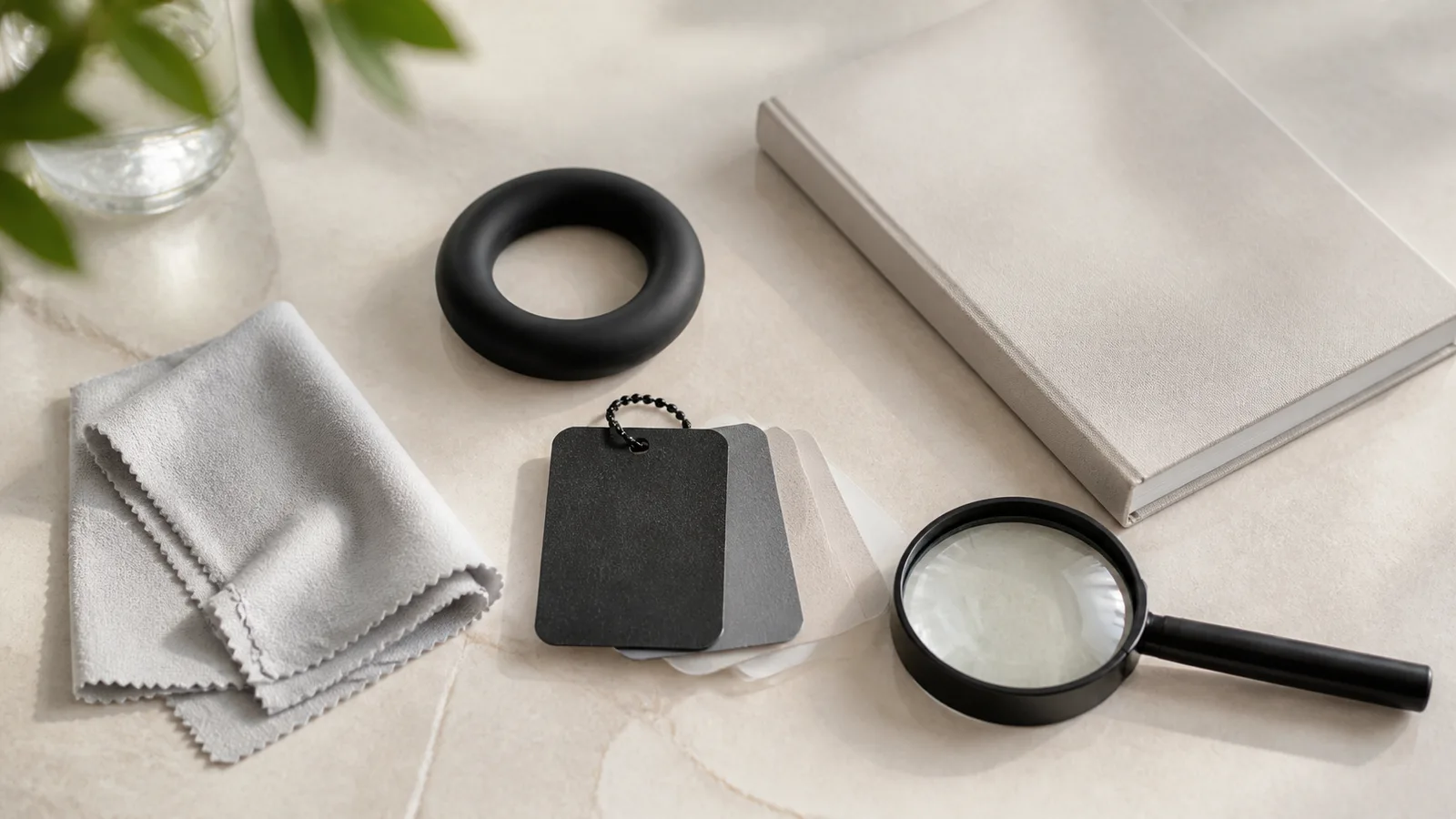
Image 1: Material and construction inspection
- Intended public asset path:
/images/luxovibe/blog-cock-ring-materials-v1.webp - Format: 1600x900 optimized WebP
- Brief: Unbranded material samples, magnifying glass, and plain care card on neutral stone; no people, text, logos, or watermarks.
- Caption: Material descriptions and construction details are more useful than broad labels alone.
- ALT text: Unbranded product-material samples and a magnifying glass arranged for a construction inspection.
Image 2: Product information and care routine
- Intended public asset path:
/images/luxovibe/blog-cock-ring-materials-v2.webp - Format: 1600x900 optimized WebP
- Brief: Sealed unbranded box, pouch, leaflet, and drying cloth on a light shelf; no text, logos, or watermarks.
- Caption: A product-specific care routine begins with the manual and a careful first inspection.
- ALT text: Generic product box, storage pouch, instruction leaflet, and drying cloth arranged for a care routine.