
Consumer wellness guide - 12 min read
Which Kegel Ball Features Matter Most? A Buyer Guide
Compare Kegel-ball construction, stated material, retrieval design, dimensions, care, storage, and support with a fact-led buyer checklist.
Materials, Cleaning & Storage
Need a documented answer?
Ask one focused product or sourcing question.
Tell our team the exact model, market, material, care, packaging, or quantity detail you need to confirm. We will help route your enquiry to the right next step.
SEO title: Kegel Ball Features Guide | LuxoVibe Meta description: Compare documented Kegel-ball construction, stated material, retrieval design, dimensions, care, storage, and support before buying. URL slug: /blog/kegel-balls-features-buying-guide Last reviewed: September 8, 2026
Quick answer
The useful Kegel-ball features are documented construction details: stated contact material, one-piece or linked design, retrieval feature, stated size or weight, surface finish, care directions, and storage options. More accessories or a broad wellness claim do not replace a clear manual. Compare features only across exact models and treat missing information as a reason to pause.
Introduction
Kegel-ball research is often presented as a simple shopping question, but a responsible answer has two parts. First, a buyer needs reliable information about the exact consumer product: construction, stated material, care, storage, and seller support. Second, a buyer needs to recognise the boundary between a personal-wellness purchase and individual pelvic-health advice. This guide uses practical, non-explicit language for adults making a documented decision; it does not diagnose, prescribe, or promise an outcome.
The useful habit is to separate confirmed facts from marketing phrases and preferences. A product photograph can show a general form, but it cannot establish the exact contact material, whether a component is removable, the dimensions of the current variant, a cleaning limit, or the policy that applies to a purchase. Those facts should come from the current listing, product instructions, label, or a focused answer from the seller.
What to establish before comparing products
Start by recording the model name, current variant, stated contact material, construction, retrieval feature, stated dimensions or weight, included accessories, care directions, and official support route. This is installation preparation for ownership: it asks whether the buyer can understand the product's documented handling before a hygiene-sensitive package is opened. If a decision-critical detail is absent, label it unclear rather than converting a broad claim into a fact.
| Checkpoint | What to verify | Why it matters |
|---|---|---|
| Exact model | Name, version, contents, current listing | Prevents a review or manual for another version being treated as evidence. |
| Construction | Stated contact material, connected parts, retrieval design | Makes product handling and inspection questions specific. |
| Measurements | Units, dimensions or weight, which part is measured | Avoids assumptions based on photographs or colour labels. |
| Care | Permitted cleaning, drying, storage, condition checks | Creates a realistic ownership routine. |
| Seller terms | Privacy, delivery, hygiene returns, support | Provides a documented path when an order question occurs. |
Which Kegel Ball Features Matter Most? A Buyer Guide: the decision details
A feature list should explain ownership, not decorate a listing. Read whether the product is a single connected piece or a set, how the retrieval element is described, and what parts come into contact with skin. These details affect how the manual should be read and how the item is stored.
Weight and size are product facts, not proof of who should use an item. Check the unit of measure, whether it applies to the full product or a component, and whether a quoted measurement comes from the current variant. Avoid inferring a progression plan from a colour, a photo, or a non-specific 'beginner' label.
A smooth-looking finish can still have seams, joins, a cord, or a surface transition. Compare the stated material and construction with the care instructions. If the listing says silicone without clarifying whether that refers to every relevant component, ask before relying on it.
Storage is a feature when it protects condition and privacy. A clean dedicated pouch, separate compartment, and a routine for drying after permitted cleaning can be more useful than a long list of unverified performance claims.
Read care information as part of the purchase decision
Product care starts before purchase. Identify which instructions apply to the exact model, what cleaning method is permitted, whether every component follows the same routine, how the product must be dried, and whether a pouch or case is intended for storage. Planned Parenthood's sex-toy guidance recommends following product-specific directions and notes that material context matters. General guidance gives context; the current instructions for the item still control.
Avoid improvising with damaged or uncertain products. A surface that is cracked, sticky, torn, rough, separating at a seam, or otherwise changed is a reason to stop and contact the seller with the model details. Do not assume an item can be repaired at home or that a new cleaning product is permitted because it works for another material. A specific, written answer is more credible than reassurance without documentation.
Health, comfort, and professional-advice boundaries
Consumer product information should not be mistaken for medical guidance. NHS patient information describes pelvic-floor exercises and makes clear that individual technique and further methods may be discussed with a clinician or physiotherapist. A retail article cannot assess pelvic-floor symptoms, determine whether an exercise is appropriate, or prescribe a progression. This is particularly important for pain, persistent irritation, urinary or bowel symptoms, pelvic heaviness, infection concerns, pregnancy, postpartum recovery, recent surgery, prolapse, or any condition already being treated.
When a personal product is involved, stop if there is pain, bleeding, numbness, irritation, injury, or another concerning symptom, and seek appropriate professional advice. Do not use product language such as wellness, training, premium, or body-safe as a substitute for an individual assessment. This boundary is not an alarmist disclaimer; it is what keeps a product-selection guide factual and trustworthy.
A practical pre-checkout and delivery checklist
- Confirm the exact model, variant, included accessories, and current product information.
- Read the written material, construction, care, drying, and storage directions.
- Ask one focused question if a necessary detail is unclear; keep the written reply with the listing.
- Read the seller's privacy, delivery, hygiene-return, and support terms before payment.
- Keep the order confirmation, receipt, policy links, and official support contact privately.
- On delivery, compare the parcel, model, contents, and visible condition before opening a hygiene seal or using the product.
The FTC's online-shopping guidance recommends comparison shopping, critical review reading, policy checks, and keeping records. That advice is especially useful here: product pages can change, and a concise record makes a support request about the exact item, order date, or delivery condition easier to handle. It does not guarantee a return, warranty, or delivery outcome; those remain governed by the seller's current written terms.
Need a product fact clarified? Contact LuxoVibe with the exact model and one focused question. Please share only information needed for the inquiry; our Privacy Policy explains how contact information is handled.
Factory language and consumer checks are different
Factory testing, sampling review, and shipment inspection are supply-chain processes that depend on a particular order, approved specifications, and an agreed inspection plan. A consumer should not infer a test, certification, or performance result from a generic listing or blog image. The appropriate consumer check is narrower: inspect the delivered item, follow the current manual, retain order records, and use the official support process for the order.
This distinction also improves product application discussions. A shopper can judge whether the documented setup, cleaning, drying, and storage requirements fit their environment. They should not infer a medical benefit or a universal comfort result from factory language, product photography, or another person's review.
How to document unanswered product questions
Make a short private comparison note for each product. The note does not need sensitive personal information. It can contain the model name, the page URL, the date checked, the stated material, dimensions or weight, included accessories, care directions, and a link to the relevant policy. Then mark each purchase-critical detail as confirmed, unclear, or not applicable. This is a better decision tool than a long unstructured list of features because it makes the missing facts easy to see.
When contacting a seller, ask one question at a time and name the exact model. For example: "Which current care instructions apply to this variant?" or "Does the stated material describe the contact surface and the retrieval feature?" A useful response should point to a manual, current product page, or written policy. It should not require a buyer to share payment credentials, passwords, medical history, or intimate details just to obtain ordinary product information.
Reviews can help a buyer identify questions, but they are not a substitute for the current manual. The FTC advises shoppers to consider several sources, look at review timing and context, and avoid relying on star ratings alone. Check whether a review identifies the same model and whether it describes a verifiable fact such as package contents, delivery condition, or an instruction that can be compared with the current listing. Treat broad claims about results, comfort, or suitability as personal experience, not as a guarantee.
After delivery, retain the order confirmation and product information in a private folder. Inspect the parcel, model, contents, and visible condition before a hygiene seal is opened. If an item looks incomplete, damaged, or materially different from the documentation, take clear photographs and contact the official support route promptly. This record supports a factual conversation about an order without promising any particular refund, replacement, warranty, or inspection outcome.
Use product education with the right level of confidence
This guide is designed to help a reader organise a purchase decision, not to replace either product documentation or clinical advice. The confidence level for each statement should be clear: a written specification can confirm what a seller says about a current model; an independent consumer source can offer broad care or shopping context; and a clinician can assess an individual's symptoms and circumstances. Mixing those levels produces misleading claims, especially around pelvic health.
For that reason, a responsible buyer guide avoids ranking bodies, promising changes, or suggesting that one measured size or weight is appropriate for everyone. It also avoids using a factory photograph or a generic inspection description as evidence that a particular consumer unit has been tested in a particular way. The best next action is usually modest: read the exact instructions, compare the same facts across models, protect personal data during a support inquiry, and pause when an unresolved health or product question matters to the decision.
Frequently asked questions
Does a higher price prove that a Kegel-ball product is a better choice?
No. Price can reflect materials, construction, packaging, accessories, retail channel, or seller support. It does not establish clinical suitability, personal comfort, or a universal result. Compare the exact model's documented ownership information and policy terms.
Can I rely on a product photo for material or size information?
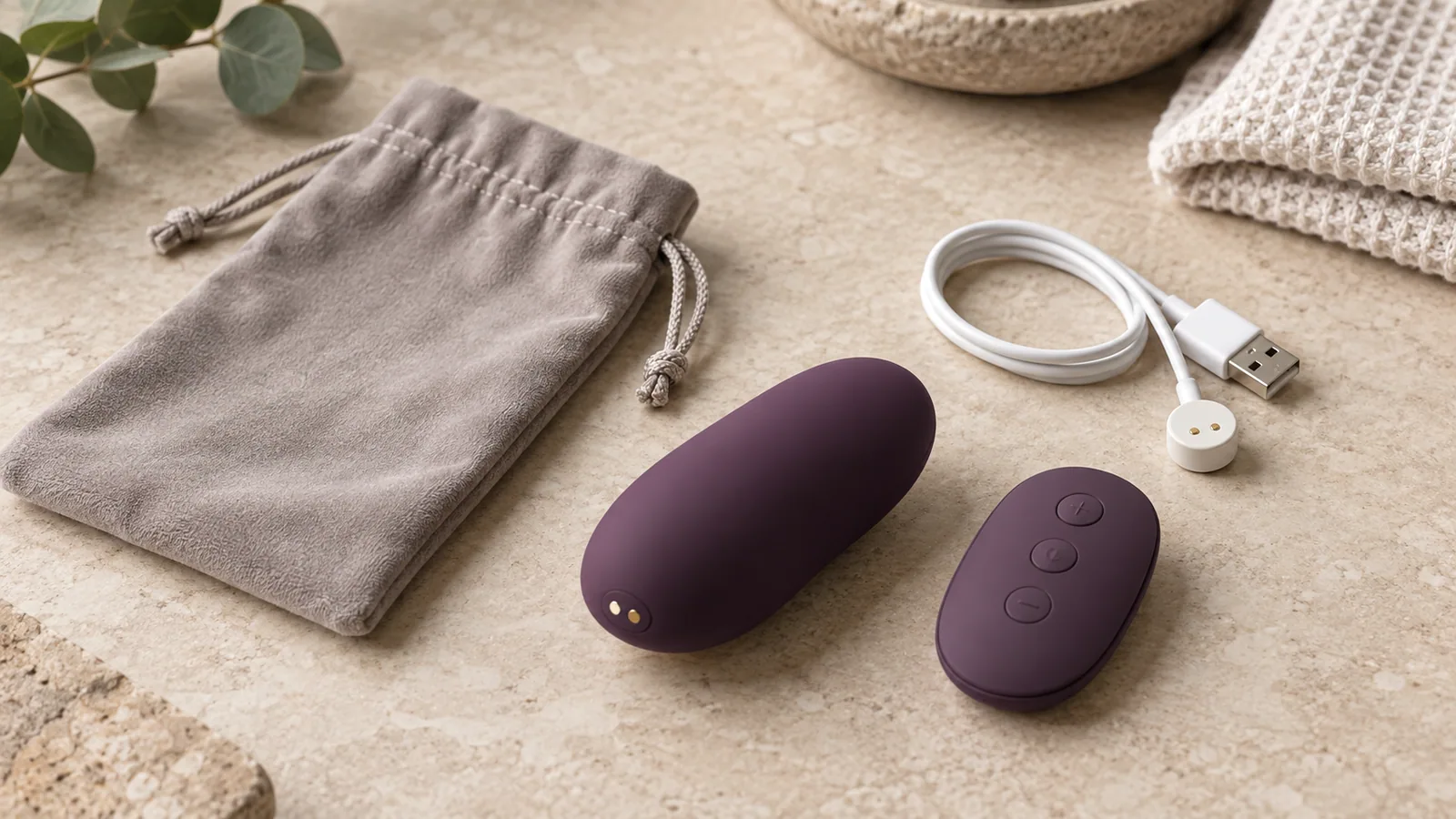
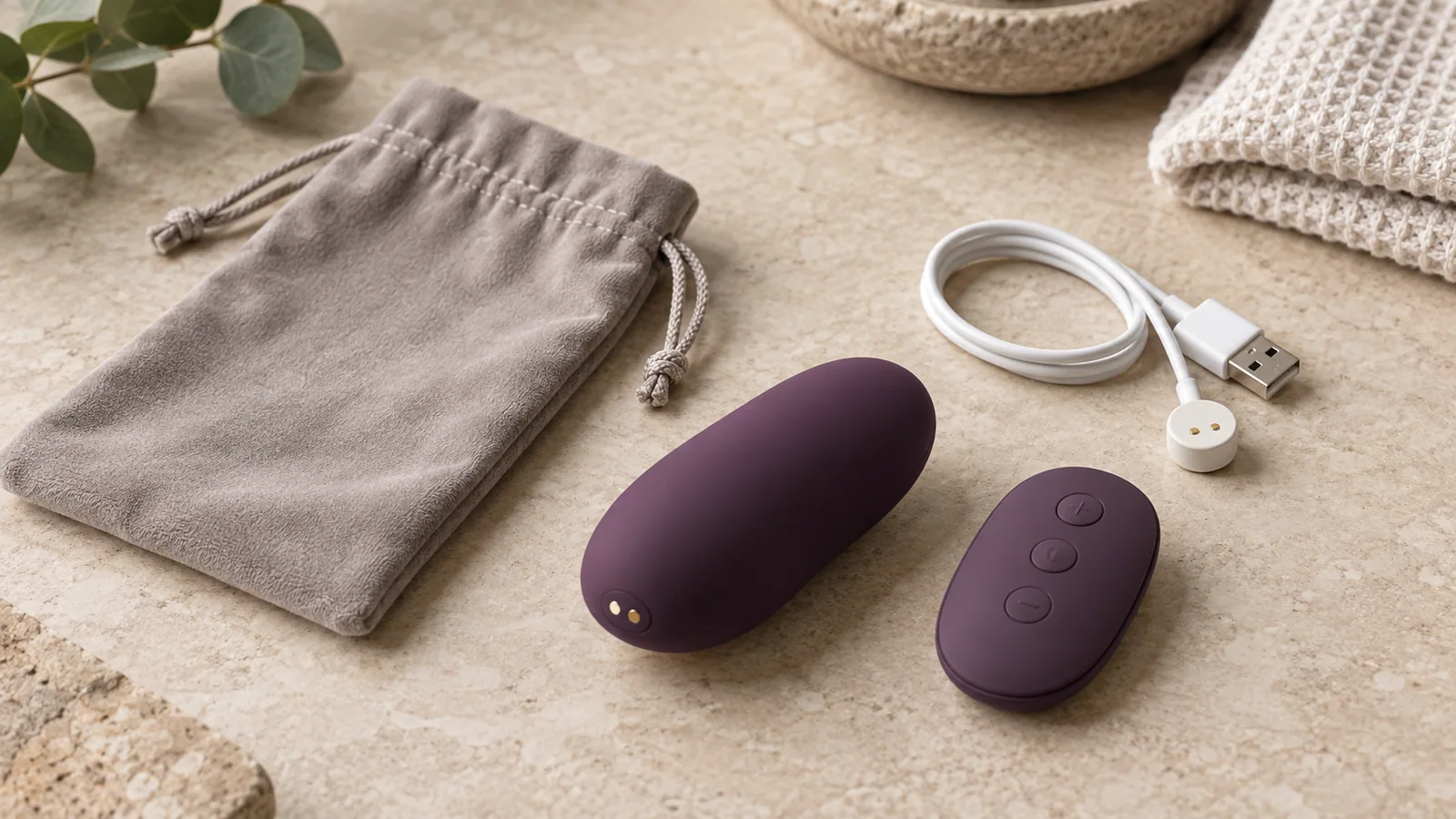
No. Use a photo to understand general form only. Use current written specifications and instructions for material, construction, dimensions, weight, care, and storage. Ask the seller if a purchase-critical point is not documented.
What should I do if the product arrives damaged or incomplete?
Keep the parcel and packing materials, photograph the visible issue, and use the seller's official support route before use. Follow the written policy for that order, especially where hygiene seals apply.
When should I seek professional advice instead of relying on a buyer guide?
Seek appropriate clinical advice for pain, symptoms, pregnancy, postpartum recovery, recent surgery, prolapse, infection concerns, or uncertainty about whether a product is appropriate. A commercial article cannot provide individual assessment.

Conclusion
The useful Kegel-ball features are documented construction details: stated contact material, one-piece or linked design, retrieval feature, stated size or weight, surface finish, care directions, and storage options. More accessories or a broad wellness claim do not replace a clear manual. Compare features only across exact models and treat missing information as a reason to pause. A dependable decision is based on the exact product's written information, a realistic care and storage plan, and a clear boundary between retail guidance and individual health advice. Do not fill important gaps with a vague marketing phrase, an unrelated review, or an assumed progression.
Related resources
- Browse the LuxoVibe product catalog for current category information.
- Read safer materials for sex toys and how to clean sex toys for broader care context.
- See NHS pelvic-floor exercise guidance and FTC online-shopping guidance for independent context.
Need help choosing a product direction?
LuxoVibe can clarify current catalog information, product documentation, and ordering questions before you decide. Browse the product catalog or contact the team. Include only information needed for your inquiry; our Privacy Policy explains the contact process.
Ready when you are
Get the product information your next decision needs.
Request catalog context, a specification check, or a private-label conversation from LuxoVibe.