
Consumer wellness guide - 12 min read
How to Choose a Quiet Men's Sex Toy for Private Use
Compare quiet men's sex toys for private use by looking beyond a noise claim: controls, vibration transfer, storage, charging, returns, and support all matter.
Men's Wellness Product Guides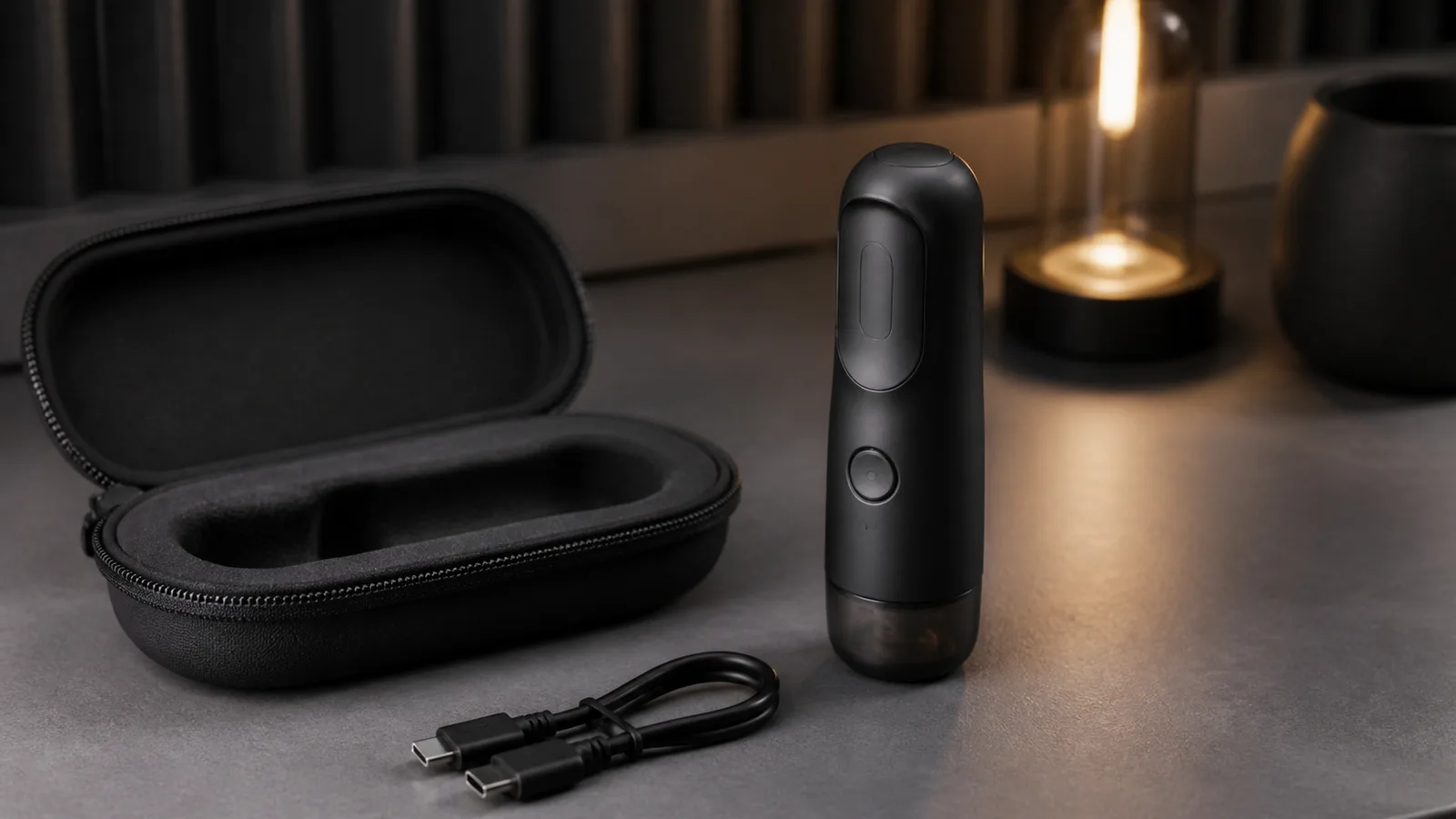
Need a documented answer?
Ask one focused product or sourcing question.
Tell our team the exact model, market, material, care, packaging, or quantity detail you need to confirm. We will help route your enquiry to the right next step.
SEO title: Quiet Men's Sex Toys: Private-Use Guide | LuxoVibe Meta description: Compare quiet men's sex toys for private use by looking beyond a noise claim: controls, vibration transfer, storage, charging, returns, and support all matter. URL slug: /blog/quiet-mens-sex-toys-private-use-guide Last reviewed: August 30, 2026
Quick answer
Choose a quiet men's sex toy by checking how the seller describes sound, controls, power, and intended operating conditions, then planning where and how it will be stored and charged. A low-noise claim is not universal: hard surfaces, room acoustics, settings, and maintenance can change what a buyer experiences.
Introduction
A useful adult-wellness purchase is not a test of whether someone knows the perfect product. It is a documentation exercise: identify the exact item, understand the ownership steps, and leave space for a question when a crucial fact is absent. This guide focuses on quiet private use in practical, non-explicit terms. It does not claim that one item is right for every adult, predict a personal outcome, or replace the instructions supplied with the finished product.
Buying decisions are easier when they are separated into three columns. First are facts the seller or manufacturer can document: the model, package contents, material description, charging method, care directions, policy terms, and support contact. Second are buyer preferences, such as compact storage, control simplicity, or travel needs. Third are unanswered questions. Only the first column should be treated as verified. A preference can guide a shortlist; it cannot convert a missing specification into a fact.
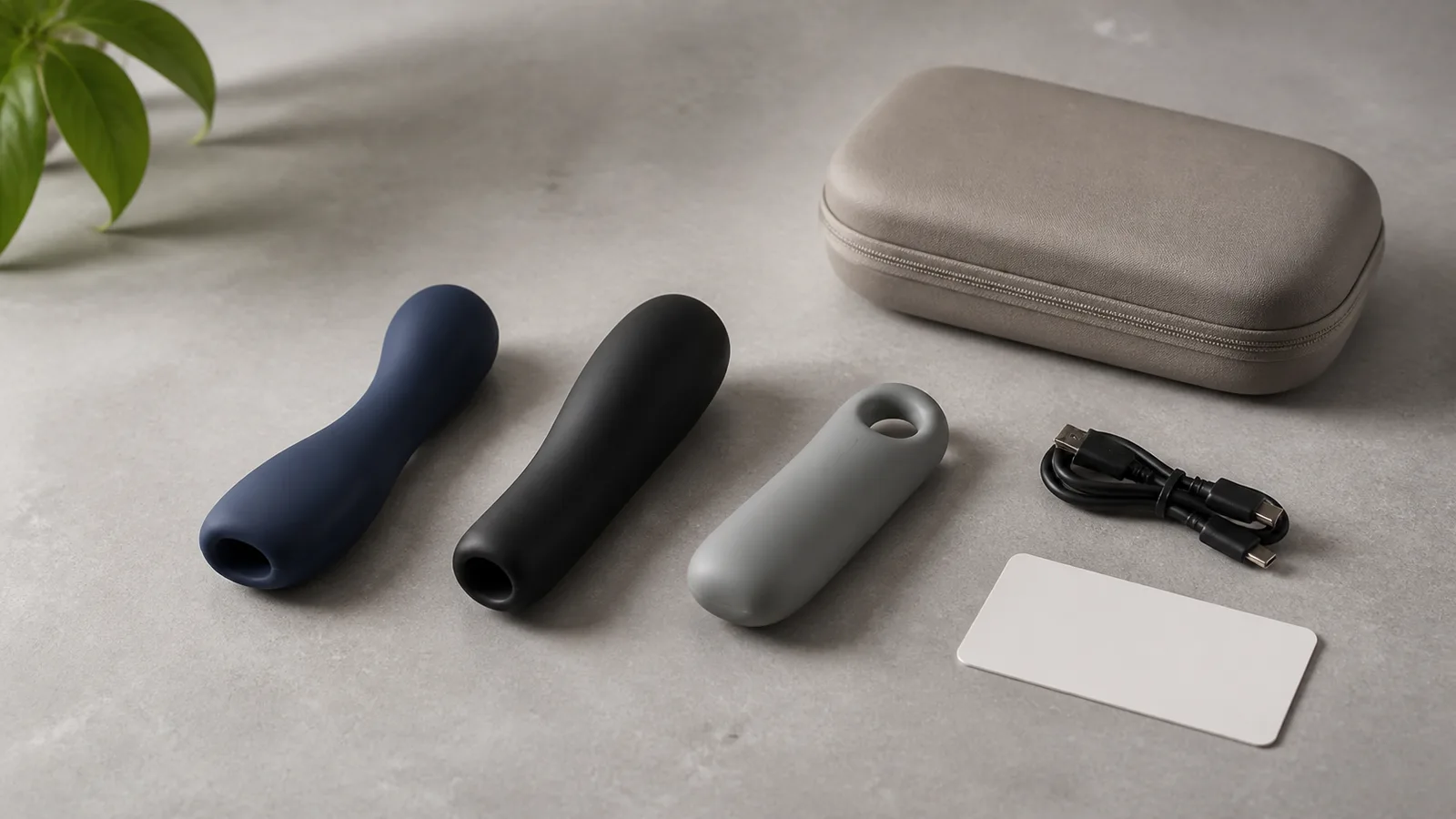
*Start with an identifiable product and the instructions that apply to that version.*
What this guide can and cannot confirm
The practical principles in this guide are deliberately limited. Planned Parenthood's sex-toy guidance recommends following product-specific care directions and explains why material and cleaning context matter. The CDC's condom guidance says water- or silicone-based lubricants are used with condoms and warns that oil-based lubricants can weaken latex. For the purchase itself, the FTC's online-shopping guidance recommends comparing seller terms, reading reviews critically, and retaining order records. These are general educational sources, not a substitute for the exact manual, label, policy, or professional advice.
This page can help a buyer form a better question. It cannot verify a product that is not named, a policy that has changed, an image that is not part of the final listing, or a health outcome. A manufacturer may conduct factory testing or shipment inspection for a business order, but those processes must be defined against an approved model and packing standard; they do not prove that every retail listing has the same configuration. For a consumer arrival check, compare the order, outer package, item identity, and supplied information before using or opening any hygiene seal.
Define the decision before comparing products
Treat noise as a context question, not a promise printed on a product card. A device can make different sound depending on its mode, whether it touches a hard countertop, its age, and whether a case or pouch prevents contact with other items. Look for a clear product page, button layout, charging direction, and a customer-support route for an observable fault. Do not assume that an unqualified word such as quiet gives a decibel figure, a guarantee for every room, or a reason to ignore care directions.
Use a small shortlist. Comparing two or three products that answer the same question is more useful than scrolling through every available format. Record the product title, variant, current price, listed package contents, material language, charging arrangement, water-resistance statement if any, cleaning instruction, seller policy links, and date checked. If a product is rechargeable, installation preparation is limited to reading its instructions, inspecting the supplied cable and accessories, and using the stated charging method; do not modify, open, or improvise with the device.
A responsible comparison also separates product application from medical advice. Commercial pages can explain controls, materials, product care, and shipping terms. They cannot diagnose irritation, persistent discomfort, unexpected reactions, or another health concern. Stop using a damaged, leaking, overheated, altered, or unidentifiable product, and seek qualified clinical advice for a health concern.
The buyer checklist: compare facts that affect ownership
- Specific rather than vague noise information. Confirm it from the exact product page, manual, or policy rather than a category assumption.
- Controls that can be checked before use. Confirm it from the exact product page, manual, or policy rather than a category assumption.
- Stable charging and storage plan. Confirm it from the exact product page, manual, or policy rather than a category assumption.
- Case or pouch to prevent rattling. Confirm it from the exact product page, manual, or policy rather than a category assumption.
- Support route for abnormal sound. Confirm it from the exact product page, manual, or policy rather than a category assumption.
The checklist works because it forces an answerable question. For example, instead of asking whether a product is simply "safe," ask which exact material touches the body, which manual applies to the final variant, what cleaning limit applies to its charging area, or whether an unopened item has a stated return route. A specific question can receive a specific response. A vague claim usually cannot.
| Decision point | Strong evidence | Evidence to treat carefully |
|---|---|---|
| Product identity | Current product page, variant, and supplied directions | A cropped image or an older social post |
| Materials and care | Exact manual and current seller information | A broad category label |
| Power and controls | Product-specific charging and operating guidance | A review of another version |
| Delivery and returns | Current policy pages and written support reply | An assumption based on another retailer |
| Privacy | Seller privacy notice and payment/delivery terms | A slogan without policy detail |
Need one product fact confirmed before ordering? Contact LuxoVibe with the exact item and a focused question. Share only the details needed for the inquiry; our Privacy Policy explains the contact context.
Care, storage, and compatibility are separate decisions
A product's material, charging components, seams, removable parts, storage case, and related lubricant can require different instructions. Never assume that a water-resistance statement permits every cleaning method, that a generic material name covers a mixed construction, or that a formula is compatible with every contact surface. Read the directions for each product together. Planned Parenthood's guidance highlights that product materials and lubricant compatibility need context, particularly where silicone is involved. The exact product manual remains the controlling document.
After delivery, keep the original label or instructions with the product when possible. Use a clean, dry storage place described by the manufacturer, rather than a place that can cause pressure, moisture, heat, or contact with unrelated items. Do not use a damaged cable, make a repair, transfer a formula to an unlabelled container, or rely on a device that behaves unusually. If a question concerns a product's condition, take clear factual notes or photographs, retain the order record, and ask the official support route what current process applies.
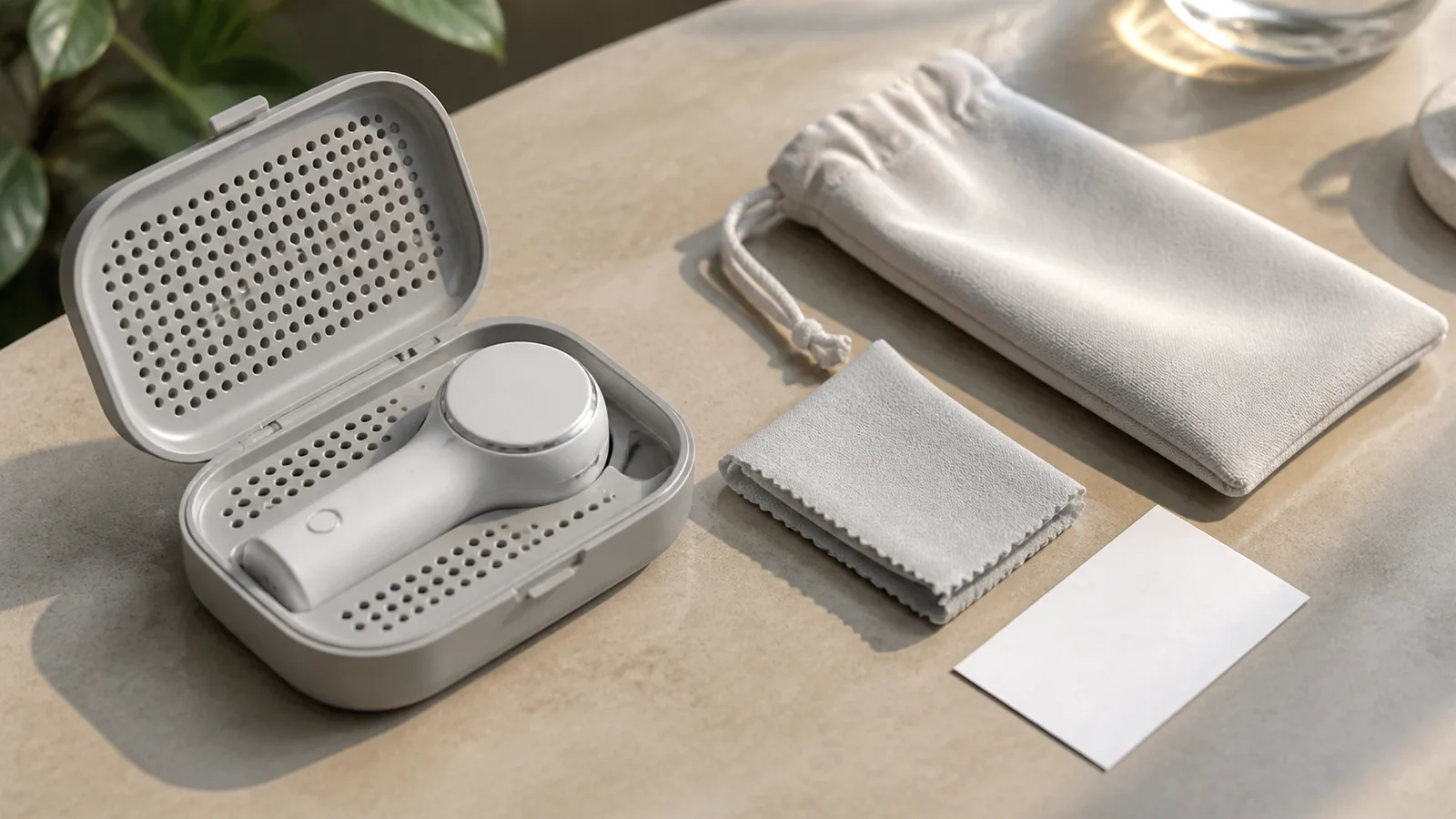
*Care, storage, and support should be checked against the exact product rather than a broad category claim.*
Delivery, privacy, and support: protect the purchase record
An online purchase has a privacy dimension before and after payment. Read what a website says it collects and how the information is used; the FTC specifically recommends reviewing privacy, user-agreement, or terms information before deciding whether a seller's data practices are acceptable. Save the product page, policy links, order confirmation, delivery promise, and support correspondence in a private location. These records help resolve an order question without oversharing.
If an outer parcel arrives visibly damaged, record the observable condition before opening a hygiene-sensitive package. State what is known: the order number, product name, delivery date, and visible issue. Avoid assigning a cause you cannot prove. Follow the seller's current written process, and do not discard an item or packaging while a support question is open. A request for assistance is not a guarantee of a refund, exchange, or warranty outcome; those depend on the exact policy, item condition, local rules, and the facts of the order.
A good seller question is brief and verifiable. "Which cleaning instruction applies to the [exact model]?" or "What is the stated process for an unopened item delivered with a damaged outer parcel?" is easier to answer than a broad request for reassurance. Keep passwords, full payment credentials, and unnecessary intimate details out of messages.
Build a five-minute product-information record
Before checkout, save the exact item name and variant, the date you checked the page, the listing's material and care language, delivery and return terms, and the official contact page. When the order arrives, compare that record with the item and supplied information before opening a hygiene seal. This is not a substitute for a factory test, a shipment inspection, or a warranty promise. It is a simple consumer check that makes a mismatch easier to describe accurately.
Keep the record private and narrow. An order confirmation, product name, and dated screenshot are usually enough to support a factual question. Avoid saving more personal information than is useful, and never send passwords or full payment details to a seller. If a policy or product specification changes between research and payment, use the current version or ask a focused question in writing. The point is clarity, not paperwork: know what you ordered, what information you relied on, and where the next answer should come from.
When it is sensible to pause
Pause before payment or use when the item cannot be identified, current directions are absent, the package condition is compromised, compatibility information is unclear, or the seller has no credible way to answer a narrow support question. Waiting is not a failed purchase. It is a responsible result when documentation cannot support the decision.
The same rule applies after delivery. A product that arrives with a disturbed seal, missing information, apparent damage, abnormal heat, an unusual odor, a leaking package, or a power problem should not be treated as a routine inconvenience. Preserve evidence, check the instructions, and use the official support route. If there is persistent or severe discomfort, irritation, or another health concern, stop using the product and consult a qualified clinician.
Frequently asked questions
Can a seller promise that a device is silent?
No practical consumer device should be assumed silent unless the exact documentation supports that statement. Room conditions and settings affect perceived sound.
Does a soft case make a product quieter?
A case can reduce contact with other stored items, but it does not change the product's operating specification. Use it only as the product instructions allow.
What if the sound changes after delivery?
Stop relying on assumptions, check the official troubleshooting directions, retain order evidence, and contact the seller with the exact model and observable issue.
Conclusion
Choose a quiet men's sex toy by checking how the seller describes sound, controls, power, and intended operating conditions, then planning where and how it will be stored and charged. A low-noise claim is not universal: hard surfaces, room acoustics, settings, and maintenance can change what a buyer experiences. A careful buyer does not need universal promises. They need current, product-specific information that makes comparison, delivery, care, storage, privacy, and support steps understandable. Keep a focused record, use the final instructions, and pause when a necessary answer is missing.
Related resources
- Browse LuxoVibe's product catalog, review Privacy Policy, and use Contact for exact-product questions.
- Read how to clean sex toys, how to care for silicone sex toys, and where to buy sex toys with confidence.
- For general education, see Planned Parenthood's sex-toy guidance, CDC condom guidance, and FTC online-shopping guidance.
Need help choosing a product direction?
LuxoVibe can clarify catalog information, current documentation, and ordering questions before you decide. Browse the product catalog or contact the team. Include only information needed for your request; our Privacy Policy explains the contact process.
Ready when you are
Get the product information your next decision needs.
Request catalog context, a specification check, or a private-label conversation from LuxoVibe.