
Consumer wellness guide - 11 min read
Where Can I Buy Sex Toys With Confidence?
Use a practical seller-evaluation checklist for product information, material details, privacy, order records, returns, support routes, and independent reviews.
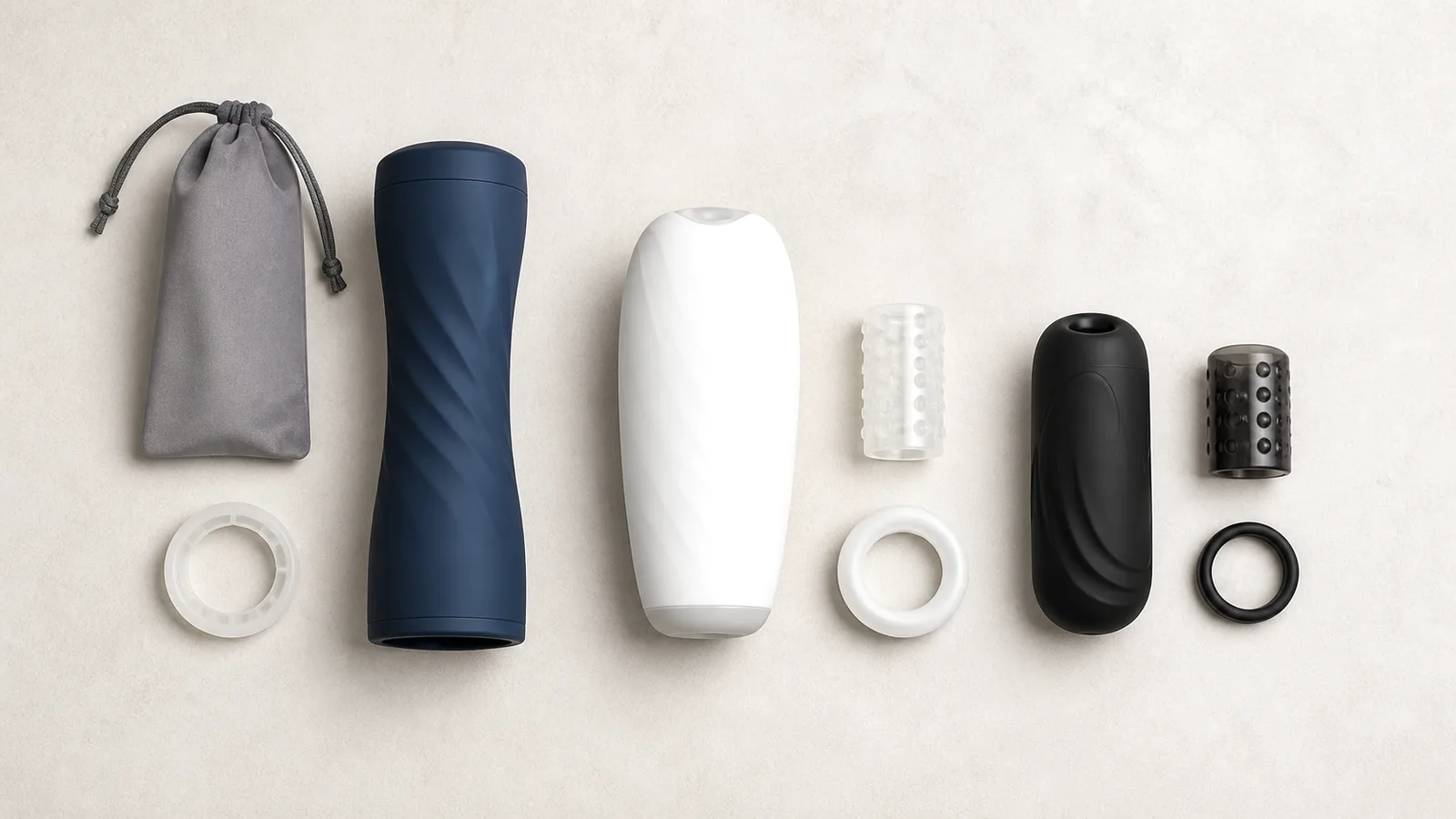
SEO title: Where to Buy Sex Toys With Confidence | LuxoVibe Guide Meta description: Use a practical seller-evaluation checklist for product information, material details, privacy, order records, returns, support routes, and independent reviews. URL slug: /blog/where-to-buy-sex-toys-with-confidence Last reviewed: August 24, 2026
Quick answer
Buy with more confidence when a seller provides a clear product page, contact method, privacy terms, delivery information, and policy documents that match the item you are considering. Start by checking product information, privacy, policy clarity, independent reviews, and support for the exact product, then use the manual and written policy pages to decide whether to buy. A careful decision does not require guessing from a photo, accepting a vague label, or treating an unanswered question as a minor detail.
Introduction
Product categories can make a purchase feel simpler than it is. Two items with similar photographs or names can have different component materials, controls, water limits, storage needs, delivery terms, or return conditions. This guide is written for adults making an informed purchase decision. It is educational rather than medical advice, and it does not claim that a particular product will suit every person.
The practical aim is to move from a broad question to a documented choice. That means identifying the exact model, reading the information supplied for that model, and separating personal preferences from facts a seller can verify. If a listing does not explain something important, pause and ask before opening a hygiene seal or placing an order.
Start with the exact product, not a category label
Category words are useful for browsing but poor substitutes for specifications. Begin with the exact model name and variant, then look for a written description of the components, included accessories, controls, dimensions where relevant, and care instructions. A product image cannot reliably show material firmness, a removable part, a battery compartment, a closure method, or the limits of a water-resistance claim.
Make a short note with three columns: confirmed facts, personal preferences, and unanswered questions. Confirmed facts should come from the current product page or manual. Preferences can include size, simplicity, packaging, colour, or a quieter control style. An unanswered material, cleaning, fit, compatibility, or policy question deserves a response before checkout, not an assumption after delivery.
Compare the factors that affect ownership
The best comparison is usually between two or three products intended for the same general purpose. Put each model on the same checklist. Record what is included, which part touches the body, whether parts detach, how the product is powered, the stated cleaning method, and the storage it needs. This prevents an expensive gift set from being compared with a simple device as though their value and care demands were identical.
| Checkpoint | What to verify | Why it matters |
|---|---|---|
| Exact model | Name, variant, and contents | Prevents comparing a review or manual for a different version. |
| Materials | Specific component description | Supports realistic cleaning and compatibility questions. |
| Controls | Buttons, charging, or power source | Shows whether the operation is easy to understand. |
| Care | Cleaning, drying, and water limits | Makes ongoing ownership more predictable. |
| Storage | Pouch, case, temperature, and privacy | Protects the item and reduces clutter or exposure. |
| Support | Official contact and policy pages | Gives a clear route if something arrives incomplete or damaged. |
Written information is more useful than broad phrases such as premium, body-safe, powerful, silent, universal, or beginner-friendly. Those phrases may describe a marketing position, but they do not tell you the precise material, dimensions, limitation, or cleaning step you need. Look for details that let you make a practical comparison.
Use a calm decision process before checkout
First, decide what you want to know before you buy. A small number of questions is enough: Can I understand the product format? Can I follow the care instructions? Is the material information specific? Do the storage and privacy details fit my situation? Is there a written support route? This approach makes a purchase decision easier to revisit and avoids treating extra features as more important than basic information.
Second, inspect the seller's policy pages. Read delivery, privacy, returns, warranty, and contact information in the same session as the product page. Hygiene-sensitive items can have conditions after a seal is opened, and an electronic product can have separate warranty steps. Save the order confirmation, current policy links, and product instructions privately. Those records are more useful than relying on memory if you later need assistance.
Third, review detailed customer feedback as a source of questions, not a replacement for documentation. A useful review identifies the exact product, version, date, and a specific situation. A star score without context cannot confirm materials, care limits, or policy terms. When reviews and the official listing disagree, ask the seller which information applies to the version in your cart.
Read safety and care information with precision
Use the supplied instructions first. A product may combine soft material with a seam, electronics, a charging port, or removable components. Each part can change the cleaning, drying, and storage method. Do not assume a product is fully waterproof because one component can be rinsed, and do not use an unapproved charger, harsh solvent, rough abrasive, or improvised repair.
Before use, inspect the surface and accessories. Pause if there are cracks, tears, stickiness, sharp edges, a broken closure, exposed wiring, unusual heat, swelling, or a damaged cable. A basic visual check is not a diagnosis, but it is a reasonable reason to stop and contact the official support channel. Never try to repair a sealed electronic housing yourself.
Comfort matters as well. Stop using any product that causes pain, numbness, unusual irritation, coldness, tingling, discolouration, or another concerning symptom. If symptoms are severe, do not settle, or a wearable item cannot be removed easily, seek urgent medical care. A product manual cannot replace individual medical advice, and a shopper should not push through discomfort to make a purchase feel worthwhile.
Make the final choice with a written record
Before placing an order, reread the product description as though you will need to explain the choice to someone else. Can you state the exact variant, its stated material, what is included, how it is cleaned, where it will be stored, and the support address? If not, the comparison is still incomplete. This small check is useful because it exposes information that may have been implied by a photograph rather than documented by the seller.
Use the product manual as an installation-preparation document for ownership. Identify where charging happens, whether a cap or removable part must be detached, whether it is safe to rinse, and what needs to be dry before storage. A simple product with a clear manual can be a more dependable choice than one with a long feature list but unclear instructions. The goal is an ownership routine that can be repeated safely and privately.
Delivery is a separate stage of the decision. When an order arrives, compare the outer parcel, product name, variant, contents, and visible condition with the confirmation before breaking a hygiene seal or attempting to charge the product. Photograph a damaged or incomplete parcel, retain the packing material, and use the official support route. This arrival check is not a factory test or shipment inspection; it is a practical consumer record that helps the seller identify the order and issue.
If you are comparing a rechargeable item, keep charging claims realistic. Use only the cable, dock, or power specification the manufacturer supplies or recommends. Charge on a dry surface, away from liquids and bedding, and stop if the product, cable, plug, or battery area shows damage or unusual heat. Do not leave a charging question to guesswork. Ask the seller for the exact manual or product-support page before use.
Product application is personal, but purchase criteria can stay factual. A compact item may suit a limited storage space; a device with removable parts may need more drying time; a wearable item may need precise fit information; and a fabric product may need a size chart and exchange terms. These are not promises about outcomes. They are the practical questions that turn a broad category into a product you can evaluate responsibly.
Finally, check whether the seller keeps its public information consistent. The product page, manual, policy pages, and support answer should not contradict one another. Differences can occur when a model has been revised or an old review describes a previous version. Ask which document applies to the exact item in your cart and keep the response with the order confirmation. Accurate records make a later support conversation calmer and more efficient.
Use a final pause before checkout. A clear product page, readable instructions, realistic care plan, private storage location, and official contact route are all stronger decision signals than a trend, a countdown, or an unusually broad promise. If the facts are not yet clear, waiting is a sound consumer decision.
Plan cleaning, drying, and storage before buying
Care is part of choosing a product, not an afterthought. Read whether the item should be cleaned before and after use, what parts can be rinsed, and how long it should dry before storage. A clean lint-free cloth, a compatible mild cleanser where the instructions allow it, and a dry dedicated pouch can be practical basics. Never store a damp product in a closed container or charge electronics while wet.
Storage should protect privacy and the item itself. Keep products away from direct heat, sharp objects, and materials that the manufacturer says should not touch them. If a product has a battery, check the stated charging and storage guidance. For travel, use a clean pouch or case and verify local rules and privacy needs separately. The right storage plan is the one you can keep up without improvising.
What to ask before you place an order
When product information is incomplete, send a short factual question. Name the exact model and ask one point at a time: the component material, cleaning method, stated water limit, included accessory, package dimensions, order privacy, or support route. Do not send payment details, passwords, identity documents, or unnecessary intimate information through a general inquiry form.
For a retailer or brand, a useful answer should point to a current manual, policy, or product specification. A vague reassurance is not equivalent to a written answer. If a seller cannot identify the relevant model or describe its policy, consider that a decision signal. It is reasonable to wait until the essential information is available.
Need a product detail clarified? Contact LuxoVibe with the exact model and your question. Share only information needed for the request; see our Privacy Policy for how contact submissions are handled.
Frequently asked questions
Is the most expensive option always the best choice?
No. Price can reflect materials, packaging, included accessories, warranty terms, retail positioning, or design complexity. Compare like-for-like products and confirm the ownership details that matter to you before treating a higher price as a quality guarantee.
Should I rely on product photos or written specifications?
Use photos to understand general shape and packaging, but rely on written specifications and the manual for material, dimensions, controls, water limits, and care. Ask the seller if a key written detail is missing or unclear.
What records should I keep after ordering?
Save the order confirmation, receipt, product page or manual, relevant policy links, and support correspondence. Keep them private and do not include card details or passwords when contacting support.
What should I do if a product arrives damaged or incomplete?
Keep the packaging, photograph the condition, and use the official support route before using or returning the item. Follow the seller's written instructions rather than sending a hygiene-sensitive or electronic product back without authorization.
Conclusion
Buy with more confidence when a seller provides a clear product page, contact method, privacy terms, delivery information, and policy documents that match the item you are considering. The most dependable choice is based on current information for the exact model: components, instructions, care, privacy, support, and the policy terms that apply to your order. Take time to compare what is documented, make room for personal preferences, and leave unanswered essential questions unresolved until a seller can clarify them.
Related resources
- Read LuxoVibe's product catalog for product-category information and contact page for a focused question about an exact model.
- Review Planned Parenthood's sex and pleasure education for general educational context. Product-specific manuals remain the source for care, charging, and usage limits.
Need help choosing a product direction?
LuxoVibe can clarify catalog information, product documentation, and ordering questions before you decide. Browse the product catalog or contact the team. Include only the information needed for your request; our Privacy Policy explains the contact process.