
Consumer wellness guide - 12 min read
Rechargeable Wellness Products and Air Travel: A Documentation-First Checklist
For air travel with a rechargeable wellness product, begin with the exact product manual and the current airline, airport, and destination rules. Confirm the device's documented battery information, packing guidance, travel-lock instructions, and storage plan; never infer permission from a general USB-rechargeable label. Rules can differ by carrier and route, so verify them shortly before departure.
Beginner Choices & Comparisons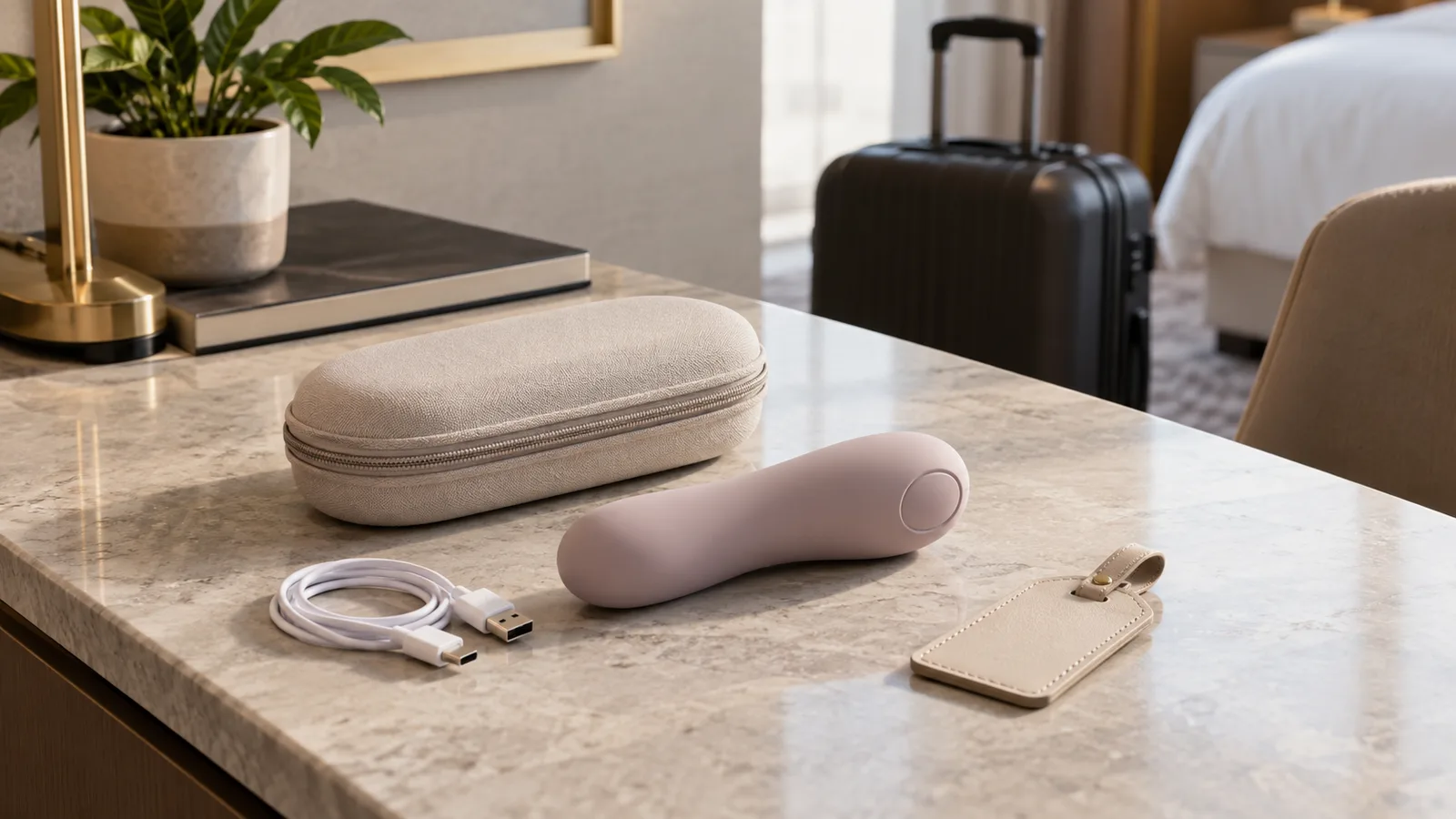
Need a documented answer?
Ask one focused product or sourcing question.
Tell our team the exact model, market, material, care, packaging, or quantity detail you need to confirm. We will help route your enquiry to the right next step.
SEO Title: Rechargeable Wellness Products Air Travel Checklist | LuxoVibe Meta Description: For air travel with a rechargeable wellness product, begin with the exact product manual and the current airline, airport, and destination rules. Confirm the device's documented battery information, packing guidance, travel-lock instructions, and storage plan; never infer permission from a general USB-rechargeable label. Rules can differ by carrier and route, so verify them shortly before departure. URL Slug: /blog/rechargeable-wellness-products-air-travel-checklist Last reviewed: September 15, 2026
Quick answer
For air travel with a rechargeable wellness product, begin with the exact product manual and the current airline, airport, and destination rules. Confirm the device's documented battery information, packing guidance, travel-lock instructions, and storage plan; never infer permission from a general USB-rechargeable label. Rules can differ by carrier and route, so verify them shortly before departure.
Introduction
Travel planning can make an adult-wellness purchase feel more complicated than it needs to be. The useful question is not whether a product looks small in a listing, but whether the exact version has a documented routine for packing, power, care, storage, and support. This guide uses practical, non-explicit language to help adults compare product information without inventing a medical benefit, universal comfort claim, certification, or airline permission.
A trustworthy decision separates confirmed facts from preferences. A preference might be a plain case, fewer accessories, clear buttons, or a smaller packing footprint. Facts should come from the current model page, label, manual, airline rule, or official support reply. When a fact needed for purchase is missing, pause and request it. A photograph, broad promise, or review for another version should not fill the gap.
Establish the exact model and ownership plan
A travel-oriented product decision starts with the exact version, not a category photograph. Save the model name, included cable or adapter information, stated dimensions, power description, care instructions, and support route. A product page may change, and a review may cover a different revision. Treat the written information for the current model as the decision record. If a purchase-critical detail is absent, ask the seller before payment rather than inferring it from a marketing image.
Battery questions need precise language. A rechargeable product may contain an installed battery, use a separate battery, or have documentation that does not provide the figures an airline asks for. Do not invent watt-hour values or treat a standard-looking cable as evidence of a particular battery type. Read the manual, product label, and current carrier information. If a stated value or product classification is unclear, contact the seller and carrier before travelling rather than relying on a forum answer.
| Before departure | Record | Reason |
|---|---|---|
| Exact product | Model and current manual | Prevents rules for a different version being applied |
| Battery information | Only documented values and directions | Avoids guessing about transport limits |
|---|
| Carrier rule | Airline and airport policy for your route | Rules can differ by operator and destination |
|---|
| Packing state | Clean, dry, protected, manual-compliant | Reduces preventable handling questions |
|---|
Compare rechargeable sex toys air travel without broad promises
The TSA's public guidance states that spare, uninstalled lithium-ion and lithium-metal batteries, including power banks, must be carried in carry-on baggage, while its broader device guidance includes special instructions. That is useful context, not a blanket approval for every personal device, airline, country, or itinerary. The responsible step is to check the current carrier and destination rules for the exact trip and follow the strictest applicable instruction.
An honest comparison puts each fact in one of three columns: confirmed, unclear, or not applicable. Confirmed information is stated for the item currently offered. Unclear information is absent, inconsistent, or tied only to a retailer image or old review. Not applicable information does not belong to the model. This modest method is valuable because it prevents a buyer from treating category language-such as compact, quiet, protected, premium, or discreet-as a technical specification.
Choose two or three models rather than trying to score every product on the market. Compare the exact dimensions, controls, power method, packing accessories, care instructions, delivery terms, and support route. Do not convert a claimed runtime, lock, water-related phrase, or material label into a guarantee. Documentation that is clear enough to follow is usually more useful than a feature list that leaves the practical routine unanswered.
A useful trip decision also has a stop rule. Pause the purchase if you cannot identify the exact model, the written care routine, the power arrangement, or the seller's current support path. That pause is not a rejection of a product category; it is a way to avoid a rushed purchase based on an incomplete listing. Ask one focused question, keep the response with the product record, and compare the answer against your packing plan. If the answer remains vague, choose a model with clearer documentation.
Keep the language of your comparison factual. Write down "case not confirmed," "manual supplied," or "carrier rule to check" rather than creating a yes-or-no answer from a photograph. That record helps when a seller changes a listing, when a luggage choice changes, or when you later need support. It also prevents a personal preference from being presented as a technical conclusion. Good consumer research is transparent about what it knows and what it still needs to verify.
Prepare care, storage, and charging before departure
Packing is not a substitute for care. Follow the manual for cleaning, drying, charging, and storage, and keep the product separated from loose liquids, sharp objects, residue, or a damp towel. Do not charge a product in a bag or case unless its own documentation explicitly permits that arrangement. Visible damage, an exposed connector, unusual heat, swelling, a torn surface, or a loose component calls for a pause and official support, not an improvised repair.
A travel lock or an off state may reduce an avoidable activation risk, but only if the exact product includes that feature and the manual explains how to use it. Never attempt to disassemble a sealed rechargeable product, bypass its controls, alter a battery, or tape over a connector as a home modification. Pack it clean, dry, protected from crushing, and according to the documented instructions. If the product appears damaged or unusually warm, do not travel with it until official support clarifies the next step.
Plan the routine in order: inspect the item before departure, complete care steps as the manual directs, let it dry fully where required, put it in its protective storage solution, and keep documented accessories together without stressing ports or controls. At the destination, repeat the same routine rather than improvising around a new outlet, a damp bathroom counter, or a crowded suitcase. A little preparation gives a buyer a clearer basis for product care and support if something changes.
Product application is personal, and no buyer guide can predict comfort, preference, or an individual outcome. Use only as the supplied instructions allow and do not convert a product feature into a health or performance claim. Stop and seek appropriate clinical advice for pain, persistent irritation, injury, numbness, or another concerning symptom. This article is consumer education, not medical advice.
Need a product detail clarified before you travel? Contact LuxoVibe with the exact model and one focused question. Share only what is necessary for the inquiry; the Privacy Policy explains the handling context for contact information.
Inspect delivery and keep a factual support record
When a parcel arrives, compare the outer package, model, variant, accessories, and visible condition with the order confirmation before opening a hygiene seal, charging, or using the item. Keep the packing material and take factual photographs if something is missing or damaged. This is a consumer delivery inspection, not factory testing or a pre-shipment inspection. It does not prove a certification, a warranty outcome, or a performance result; it simply preserves a clear support record.
For a private online purchase, review the seller's delivery, return, privacy, and support pages before checkout. Keep only the necessary order records, use a secure payment method, and avoid sharing passwords, payment credentials, or unnecessary intimate information in an inquiry. The FTC recommends checking the total cost, delivery and return terms, seller information, and records before buying online. Those principles are useful here, but the seller's current item-specific terms remain the controlling source.
The FTC's online-shopping guidance recommends checking sellers and total terms, reading reviews critically, and retaining purchase records. Its review guidance also advises comparing a variety of sources rather than relying on a single rating. For product care, Planned Parenthood's consumer information emphasizes following the supplied instructions. These sources offer consumer context; they do not certify a particular LuxoVibe product or replace its current manual.
For U.S. air travel, TSA's current public list says spare, uninstalled lithium-ion and lithium-metal batteries must be carried in carry-on baggage. Check the current rules for your carrier, itinerary, and destination; this general source is not a product-specific transport authorization.
Make a pre-departure checklist
Before packing, save the exact model name, product page, manual, accessory list, seller terms, and official support contact. Inspect the product in good light. Confirm that it is clean and fully dry as instructed, that its storage solution fits without pressure, and that the power arrangement is the documented one. Keep the checklist concise and private. A written record is more dependable than an assumption made hurriedly in a hotel room or at an airport.
Do not confuse this consumer preparation with factory testing, shipment inspection, or compliance verification. Those are formal commercial processes only when agreed for a defined order. Your responsibility as a retail buyer is more direct: compare the delivered item with the order, follow the exact instructions, preserve relevant records, and contact support if an objective issue appears.
Frequently asked questions
Can a compact product be assumed to be travel-ready?
No. Compact appearance does not establish the exact battery details, care conditions, cable compatibility, storage requirements, or carrier rules. Check current documentation for the exact model and your route.
Should I use a case supplied in a lifestyle photograph?
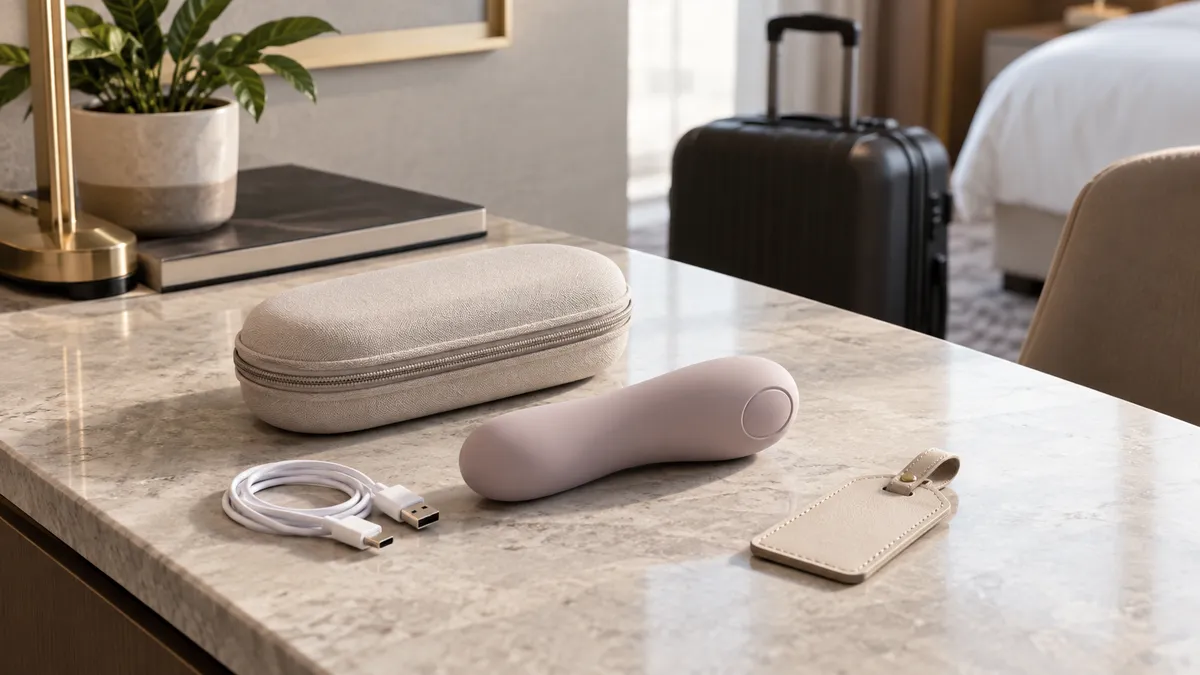
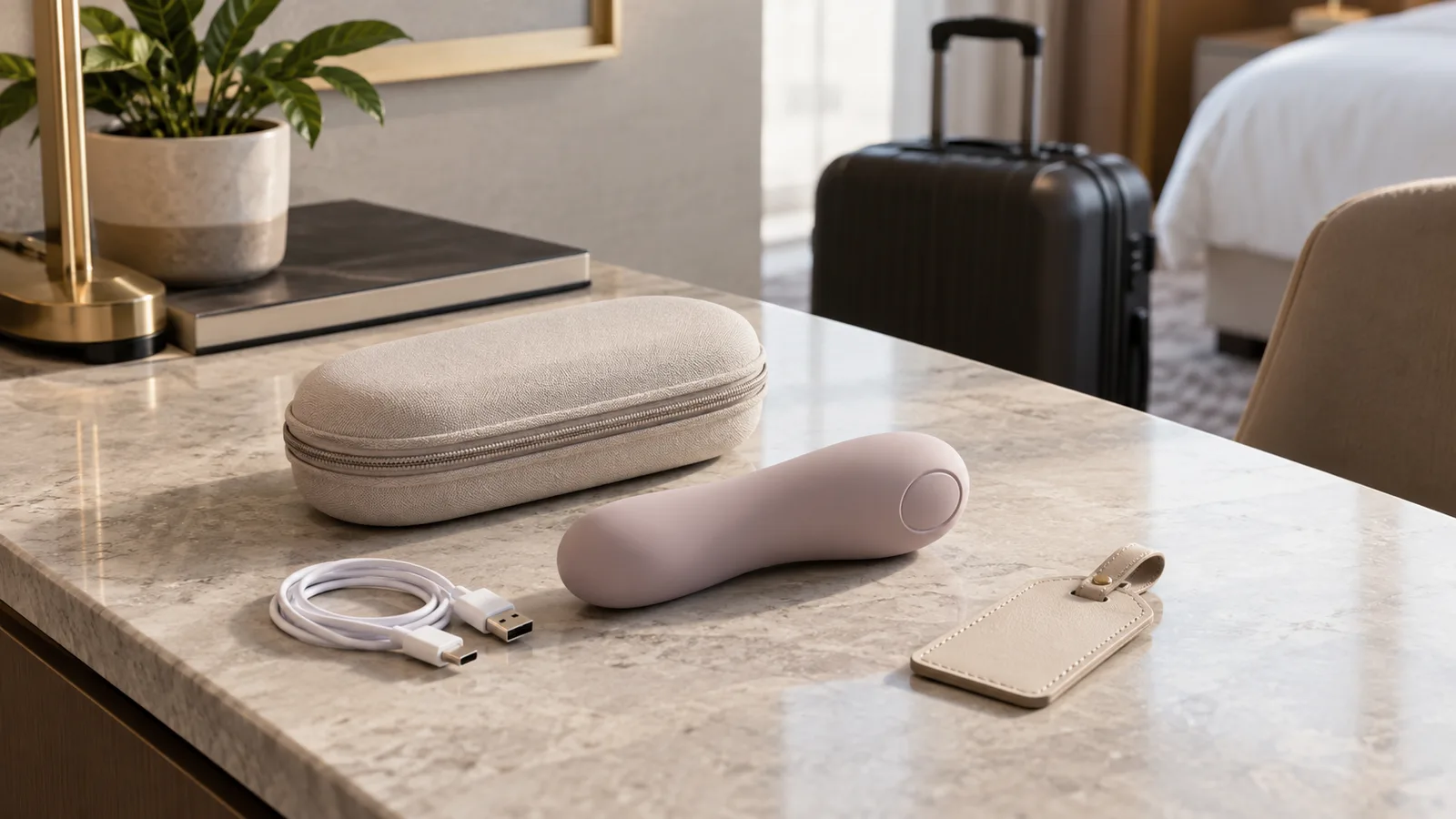
Only if the current listing says it is included or compatible. Photos can show a styling concept rather than the items supplied with the specific version being sold.
What if a control, cable, or housing seems damaged before a trip?
Do not improvise a repair, charge it, or pack it as normal. Retain the order details and contact the official seller or manufacturer support route for item-specific guidance.
Can this guide confirm whether a product is right for my body?
No. It explains how to compare documented product and ownership information. It cannot predict comfort, suitability, health effects, or personal outcomes. Seek appropriate clinical advice for symptoms or condition-specific questions.
Conclusion
For air travel with a rechargeable wellness product, begin with the exact product manual and the current airline, airport, and destination rules. Confirm the device's documented battery information, packing guidance, travel-lock instructions, and storage plan; never infer permission from a general USB-rechargeable label. Rules can differ by carrier and route, so verify them shortly before departure. The most dependable travel decision comes from exact product documentation, a realistic care and packing routine, current seller terms, and a support record you can use if a question arises. Avoid stretching an image, a review, or a broad marketing phrase into a guarantee. Clear facts make privacy, preparation, and ownership more manageable.
Related resources
- Browse the LuxoVibe product catalog for current category and product information.
- Read how to choose sex toys for the first time, how to clean sex toys, rechargeable men's sex toys: travel, storage, and charging questions, and water-resistant vs waterproof wellness products.
- See the FTC online-shopping guide, FTC review guidance, and Planned Parenthood care guidance for authoritative consumer context.
Need help choosing a product direction?
LuxoVibe can clarify current catalog information, product documentation, and ordering questions before you decide. Browse the catalog or send your requirements. Include only the information needed for an inquiry; the Privacy Policy explains the contact process.
Ready when you are
Get the product information your next decision needs.
Request catalog context, a specification check, or a private-label conversation from LuxoVibe.