
Consumer wellness guide - 12 min read
Water-Resistant vs Waterproof Wellness Products: A Buyer Comparison
Choose between water-resistant and waterproof product claims by comparing the exact model's written limits, not the headline phrase alone. Look for the documented cleaning method, charging boundary, component design, storage guidance, and support route. The best fit is the model whose instructions match your care routine without relying on assumptions about water exposure.
Materials, Cleaning & Storage
Need a documented answer?
Ask one focused product or sourcing question.
Tell our team the exact model, market, material, care, packaging, or quantity detail you need to confirm. We will help route your enquiry to the right next step.
SEO Title: Water-Resistant vs Waterproof Wellness Products | LuxoVibe Meta Description: Choose between water-resistant and waterproof product claims by comparing the exact model's written limits, not the headline phrase alone. Look for the doc URL Slug: /blog/water-resistant-vs-waterproof-wellness-products-comparison Last reviewed: September 14, 2026
Quick answer
Choose between water-resistant and waterproof product claims by comparing the exact model's written limits, not the headline phrase alone. Look for the documented cleaning method, charging boundary, component design, storage guidance, and support route. The best fit is the model whose instructions match your care routine without relying on assumptions about water exposure.
Introduction
Water-related product language can look simple at checkout, yet it often stands for a collection of practical questions. An adult buyer may want to know how a rechargeable personal-wellness product should be cleaned, whether it can be stored after cleaning, what must be dry before charging, and what written support exists if something arrives incomplete or appears damaged. Those are reasonable questions, but the answer must come from the exact product version rather than a broad marketplace phrase.
This guide is an adult-appropriate, non-explicit buying and care resource. It does not promise that a particular product is suitable for a bathroom, shower, immersion, charging method, or medical purpose. Its purpose is to help a buyer read available information carefully, recognize when a detail is missing, and make a documented decision before purchase. These phrases are often used broadly in retail copy, so a buyer should compare the manual, the product version, and the permitted maintenance steps before treating either phrase as a purchasing conclusion.
What to confirm before you rely on a water-related claim
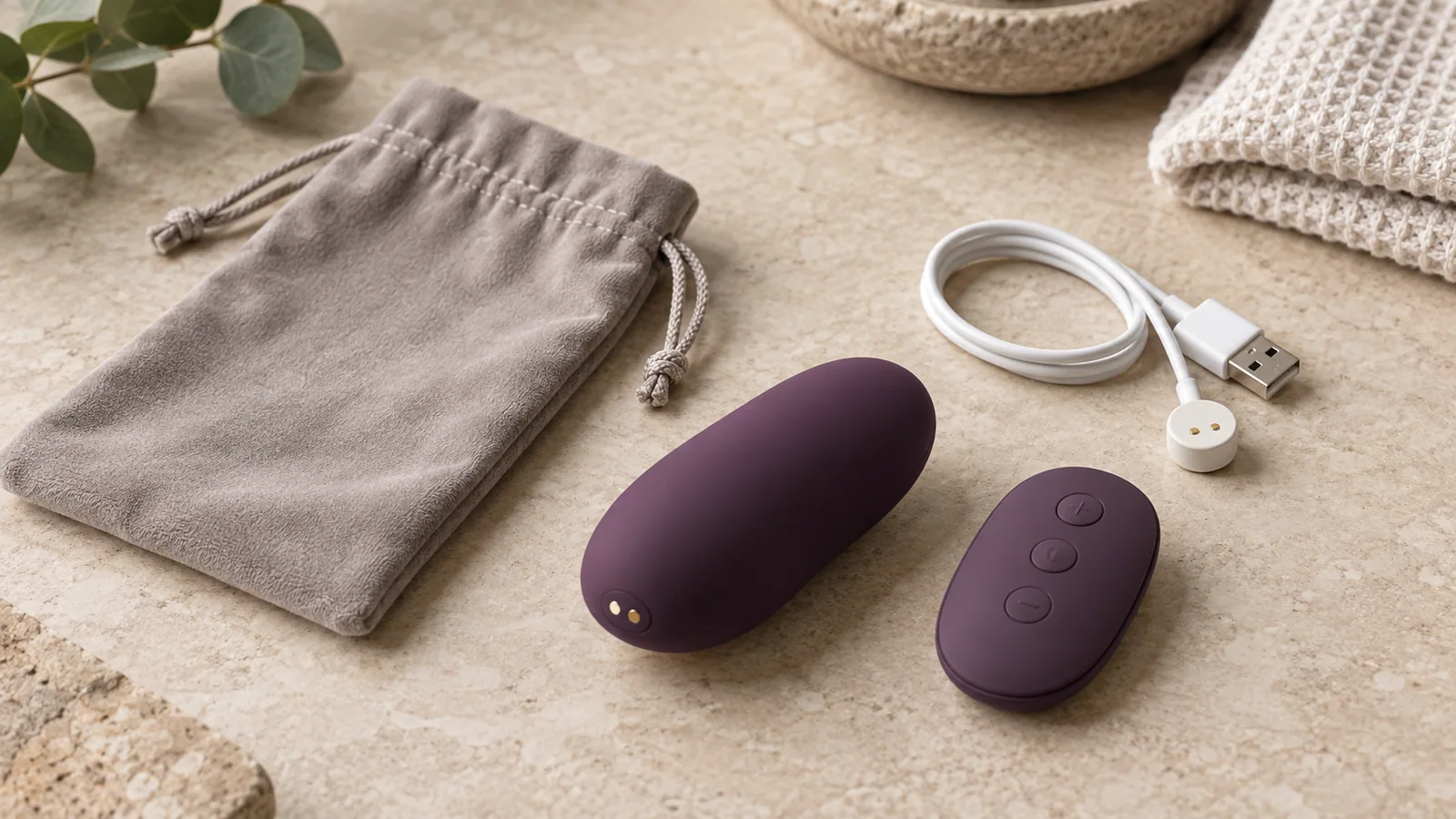
Start with the precise model name, variant, and current listing. Product photos can be useful for seeing the general format, but they cannot reliably establish whether a cap is removable, whether a charging contact has a particular care boundary, or whether an older review describes the same revision. Read the listing, manual, label, and seller policy together. If the information conflicts, ask the official seller which document applies to the item currently offered.
For like-for-like terminology comparison, separate facts from preferences. A preference might be a compact format, a simple charging routine, or a storage location away from shared spaces. A fact should be traceable to the model page, manual, packaging, or a dated written response. This distinction keeps a buyer from treating words such as water-resistant, sealed, rinseable, premium, or durable as proof of a use condition that the product information has not actually confirmed.
| Checkpoint | What to verify | Why it matters |
|---|---|---|
| Exact product | Model name, revision, included cable and accessories | Prevents an older manual or review from being treated as evidence for a different version. |
| Water-related wording | The exact phrase, marking, and stated limit | Shows what the seller has documented without expanding the claim. |
| Charging boundary | Port, magnetic contact, cover, cable, and drying directions | Helps the buyer prepare a safe, repeatable ownership routine. |
| Cleaning and storage | Permitted method, drying steps, pouch or case | Turns product care into a specific plan instead of a guess. |
| Seller terms | Delivery, return, warranty, privacy, and official support | Creates a factual route if an order or product question arises. |
Read a water claim as a documented boundary
The useful question is rarely, "Is this waterproof?" on its own. A better question is, "What does the current documentation permit for this exact model, and which parts have separate instructions?" A rechargeable item may combine a flexible surface, a rigid housing, a seam, a control area, a charging contact, a removable cap, and a cable. A general statement about the product does not automatically explain every component.
Look for plain, model-specific directions. Does the manual distinguish cleaning from longer water exposure? Does it tell the user how the charging area should be handled? Does it identify removable accessories or a case? Does it tell the buyer what to do if the device is damaged, unusually warm, swollen, or no longer charges normally? The absence of a clear answer is not a reason to fill the gap with a social-media demonstration or an unrelated product review.
This approach is also more durable when listings change. Retail copy, images, and bundle contents can be revised. Save a private copy of the product page, care instructions, and policy reviewed at the time of purchase. That record is useful if a support request later needs the model, order date, or condition of the parcel. It also helps the buyer compare two products using the same evidence rather than a mixture of current facts and old impressions.
Build a cleaning, drying, and charging routine before checkout
Installation preparation for a rechargeable consumer product is not only about finding a cable. It means deciding where the item will be charged, where it will dry, and where it will be stored between uses. Start by following the exact instructions supplied for the model. Do not clean a charging area, open a cover, or connect a cable in a way the manual does not allow. Do not use a damaged or unsuitable cable as an improvised replacement.
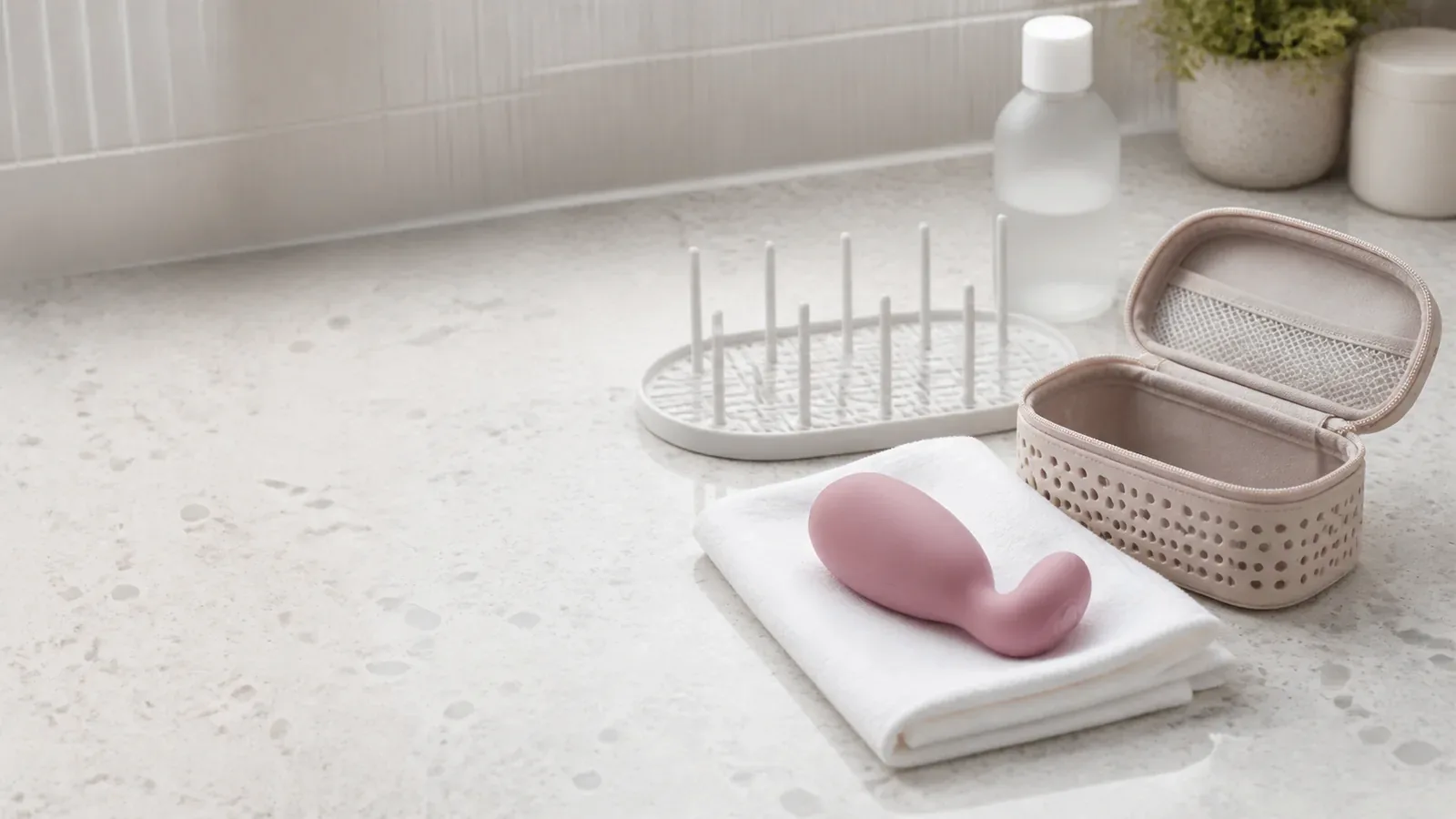
Cleaning should be treated as its own step. Follow the permitted method for the contact surface and any removable part; keep areas identified as dry in the manual dry; and allow the product to dry fully before a later charging or storage step. A water-related claim does not mean that all cleaning products, all temperatures, all soak times, or all product sections are interchangeable. A clean cloth, the manual, and patience are more dependable than a shortcut.
Charging should be treated as a second, separate step. Use the supplied or explicitly approved cable and follow the product's timing and indicator instructions. Stop rather than trying to troubleshoot with water exposure, a damaged lead, a loose port cover, unusual heat, an odor, swelling, or a visibly compromised housing. These are support questions, not conditions for an at-home repair. The CPSC explains that portable rechargeable battery safety standards address risks including overheating, thermal burns, fire, and explosions; consumer directions for an exact product still take priority.
Compare products with the same checklist
Use a two- or three-model comparison. It is more useful than trying to compare every product format or every seller description at once. Put each exact product in the same columns, then label each answer confirmed, unclear, or not applicable. A simpler model with complete care directions may be more practical than a feature-heavy option whose charging and cleaning boundaries are unclear.
| Buyer question | A reliable source | A weak substitute |
|---|---|---|
| What water exposure is permitted? | Current manual or manufacturer product page | A general "waterproof" badge or a comment section |
| What must be dry before charging? | Model-specific care and charging instructions | An assumption based on the connector shape |
| How should it be stored? | Supplied storage and drying directions | Leaving it in a damp or shared location by default |
| What happens if something arrives wrong? | Current seller policy and official support route | A review that describes another store's experience |
| What should I keep after buying? | Order confirmation, directions, policy links | Memory of an earlier listing |
Compare policy language with the same care you use for technical claims. Hygiene-sensitive products can have sealed-item conditions, short return windows, or process requirements that vary by seller and location. Read the terms during the same session as the product listing. The FTC advises marketplace shoppers to review the seller's terms, shipping fees, return policy, and support process, and to keep copies of messages. Never send payment credentials, passwords, or unnecessary personal information through a general inquiry form.
Need a specification clarified? Contact LuxoVibe with the exact model and one focused question about its written product information. Share only what is needed for the inquiry; see the Privacy Policy for contact-data context.
Delivery inspection and support are consumer checks, not factory claims
When an order arrives, compare the outer parcel, model, variant, cable, and visible condition against the confirmation before breaking a hygiene seal, charging, or using the item. If something looks incomplete, damaged, or inconsistent with the documentation, keep the packing material, take clear photographs, and contact the official seller support route. Follow the written process that applies to that order.
This is a consumer delivery inspection. It should not be confused with factory testing, shipment inspection, or production controls, which are order-specific supply-chain procedures agreed by commercial parties. A consumer listing does not prove a particular factory test, certification, waterproof rating, or warranty outcome. The credible consumer practice is narrower: inspect what arrived, use the current manual, retain records, and ask for model-specific support when a condition is unclear.
The same restraint applies to product application. Decide whether the documented controls, cleaning steps, drying time, charging arrangement, and private storage plan suit your environment. Do not rely on a universal comfort or health claim. Stop use and seek appropriate professional advice for pain, persistent irritation, numbness, injury, or any concerning symptom. A buying guide cannot replace individual medical advice.
Use external information as context, not a replacement manual
Planned Parenthood's consumer guidance says to follow the directions that come with a product for cleaning and care. The FTC's online-marketplace guidance recommends reading seller terms, shipping and return policies, and keeping copies of communications. For rechargeable products, the CPSC's battery-safety information describes the fire, overheating, and burn hazards safety standards seek to address.
These sources support a careful method: use exact care directions, compare seller terms, retain a record, and treat battery or product damage seriously. They do not certify a particular LuxoVibe product, define every water-resistance claim, or replace the documentation supplied with a specific item. An evidence-led buying decision is honest about what is verified, what is personal preference, and what still needs a written answer.
Questions to ask when product information is incomplete
Ask one precise question at a time. Identify the exact model and variant first. Then ask, for example: Which document contains the care instructions for the charging area? Does the current version include the listed cable? Which policy page applies if the parcel is damaged on arrival? What should remain dry according to the manual? A useful response should point to a current manual, product page, or written policy instead of repeating a broad marketing phrase.
Keep these requests privacy-aware. A seller usually needs a model name and a factual question, not intimate personal information, passwords, or payment credentials. After purchase, an order number and a photograph of an objectively visible issue may be relevant through the official support channel; follow the seller's current instructions and do not share more than necessary.
Product revisions create another reason to be exact. A video, review, or photo may describe a prior cable, a different connector, or a different package. Before relying on third-party information, compare the visible controls, accessories, and stated version with the current listing. If any difference matters to your decision, ask which document governs the item currently being sold. "Not confirmed" is a sound reason to pause; it is not a defect in the buyer's research.
Frequently asked questions
Does a water-resistant product title mean every part can be washed the same way?
No. Read the instructions for the exact item. Components such as a contact surface, seam, cap, charging area, cable, or accessory may have different care boundaries. Follow the supplied directions rather than inferring a complete routine from a headline claim.
Can I use any USB cable with a rechargeable personal-wellness product?
Use the cable supplied with the product or a replacement the manufacturer explicitly approves. The manual is the right source for charging conditions. Do not use a damaged lead or modify a cable, port, or battery arrangement.
What should I do if the device or charging area looks damaged?
Do not attempt a repair or continue charging. Keep the item and its packaging, document the visible condition, and contact the official seller support route for the exact order. Follow the current written process rather than relying on a general warranty assumption.
Is a higher price evidence of better water protection?
No. Price can reflect design, accessories, packaging, retail positioning, or support terms. Compare complete model-specific documentation, care instructions, and policy information before using price as a quality signal.
Conclusion
Choose between water-resistant and waterproof product claims by comparing the exact model's written limits, not the headline phrase alone. Look for the documented cleaning method, charging boundary, component design, storage guidance, and support route. The best fit is the model whose instructions match your care routine without relying on assumptions about water exposure. A dependable choice is built from the exact model documentation, a realistic cleaning and charging plan, and seller terms that can be checked before payment. Do not stretch a water-related phrase beyond the written instruction. Clear facts, a private record, and a model-specific support route are more useful than an unverified promise.
Related resources
- Browse the LuxoVibe product catalog for current category information and available product documentation.
- Read how to clean sex toys, can waterproof sex toys be rinsed directly?, and are rechargeable or battery-powered sex toys better? for adjacent care and selection guidance.
- See Planned Parenthood's consumer guidance, the FTC's marketplace checklist, and the CPSC battery-safety page for authoritative context.
Need help choosing a product direction?
LuxoVibe can clarify catalog information, current product documentation, and ordering questions before you decide. Browse the catalog or send your requirements. Include only the information needed for your inquiry; the Privacy Policy explains the contact process.
Ready when you are
Get the product information your next decision needs.
Request catalog context, a specification check, or a private-label conversation from LuxoVibe.