
Consumer wellness guide - 12 min read
Silicone vs Glass vs Stainless Steel Dildos: A Material Comparison for Buyers
Compare silicone, glass, and stainless-steel dildos by the exact item's stated contact material, construction, surface condition, weight and handling, care
Materials, Cleaning & Storage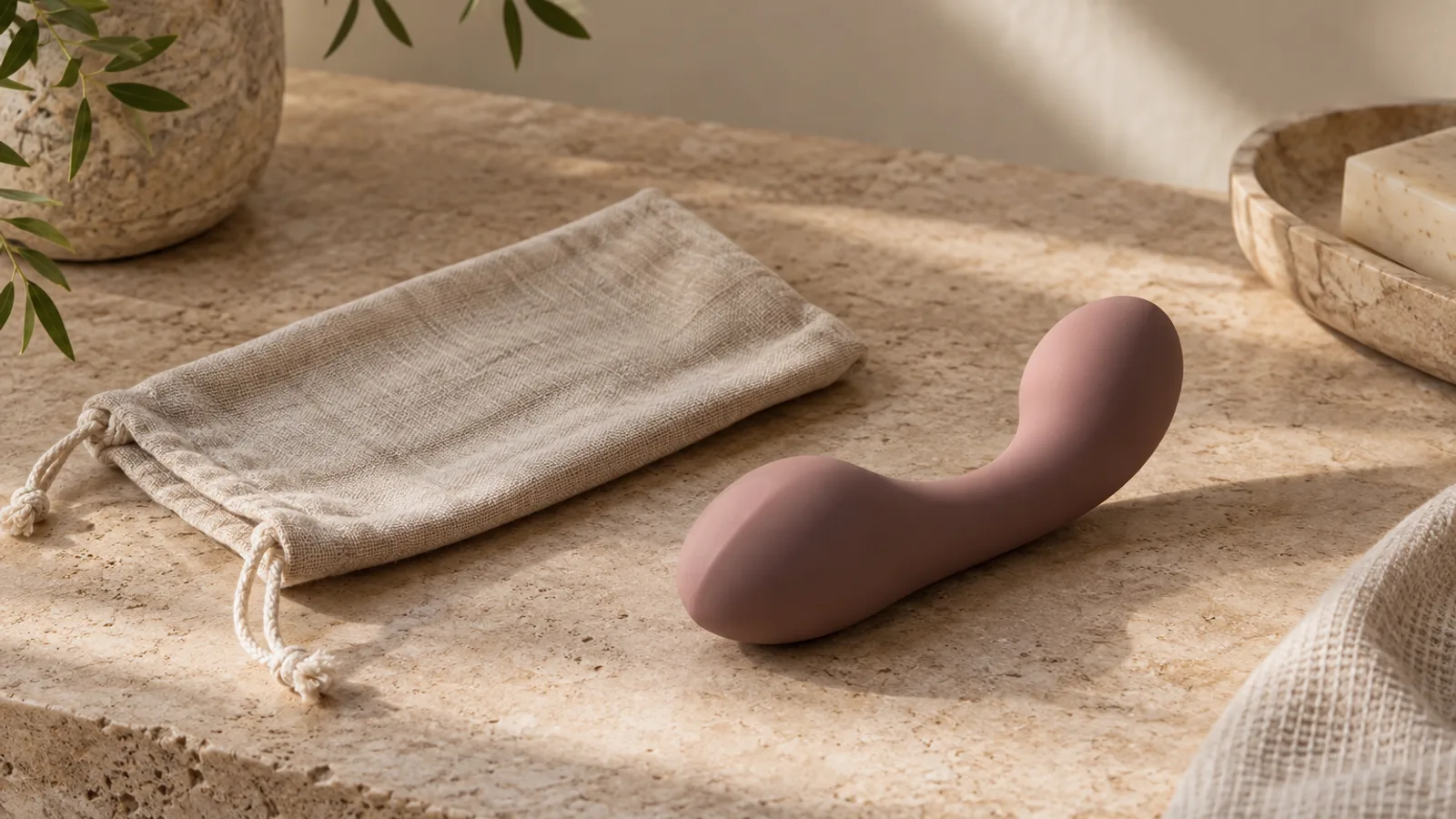
Need a documented answer?
Ask one focused product or sourcing question.
Tell our team the exact model, market, material, care, packaging, or quantity detail you need to confirm. We will help route your enquiry to the right next step.
SEO Title: Silicone vs Glass vs Steel Dildos | LuxoVibe Material Guide Meta Description: Compare silicone, glass, and stainless-steel dildos by the exact item's stated contact material, construction, surface condition, weight and handling, care d URL Slug: /blog/silicone-glass-stainless-steel-dildos-material-comparison Last reviewed: September 25, 2026
Quick answer
Compare silicone, glass, and stainless-steel dildos by the exact item's stated contact material, construction, surface condition, weight and handling, care directions, and compatibility guidance-not by material names alone. For internal use, body-safe non-porous material information is useful, but the current instructions and a damage check remain essential.
Introduction
Questions about silicone vs glass vs stainless steel dildos are easier to answer when a buyer separates documented facts from preferences and unknowns. This adult-appropriate guide focuses on material and construction comparison in practical, non-explicit terms. It does not promise a universal outcome, diagnose a health concern, or replace the final instructions supplied with a specific product.
Start by identifying the exact model and version. Then record what the current listing actually states: intended application, dimensions, contact-surface material, package contents, care instructions, compatible accessories, delivery terms, and official support route. Preferences such as compact storage, a firmer feel, or a particular shape can narrow a shortlist, but they cannot turn missing specifications into verified facts. When a required detail is missing, a careful buyer pauses and asks.
*A calm purchase comparison starts with an identifiable product and current instructions.*
What a responsible product guide can confirm
Planned Parenthood's sex-toy guidance says that sex toys used inside the body are best made from body-safe, non-porous materials such as 100% silicone, hard plastic, stainless steel, aluminum, or break-resistant glass, while also emphasizing exact care directions. That is useful consumer education, not a substitute for checking the finished product's construction, surface condition, and instructions. A product may combine different materials, accessories, seals, or a storage case, so one general material term cannot answer every ownership question.
CDC guidance on safer sex and shared toys advises washing shared toys and using appropriate barriers as part of reducing infection risk. That supports a simple principle: care, cleaning, and any sharing plan belong in the purchasing decision, not only after delivery. This article does not make a medical claim or tell a reader what is personally appropriate. Stop when something causes pain, bleeding, numbness, irritation, or another concern; do not force use, modify an item, or treat product copy as medical advice.
Factory testing and shipment inspection are business processes performed only to an agreed product and packing standard. They should never be inferred from a consumer image or category claim. After delivery, the buyer's practical inspection is different: compare the parcel, model, supplied information, and visible condition with the order record before opening a hygiene seal or using the product. Report only observable facts to the official support route.
Define the decision before you compare
The strongest comparison considers two or three products intended for the same application, rather than every item with a similar label. Save the model name, variant, date reviewed, written dimensions, material wording, base description, current care directions, and policy links in one place. If a listing shows an accessory but does not list it, treat inclusion as unknown. If a surface is described broadly but the item has seams, joins, or mixed materials, ask how the specific version should be cleaned and stored.
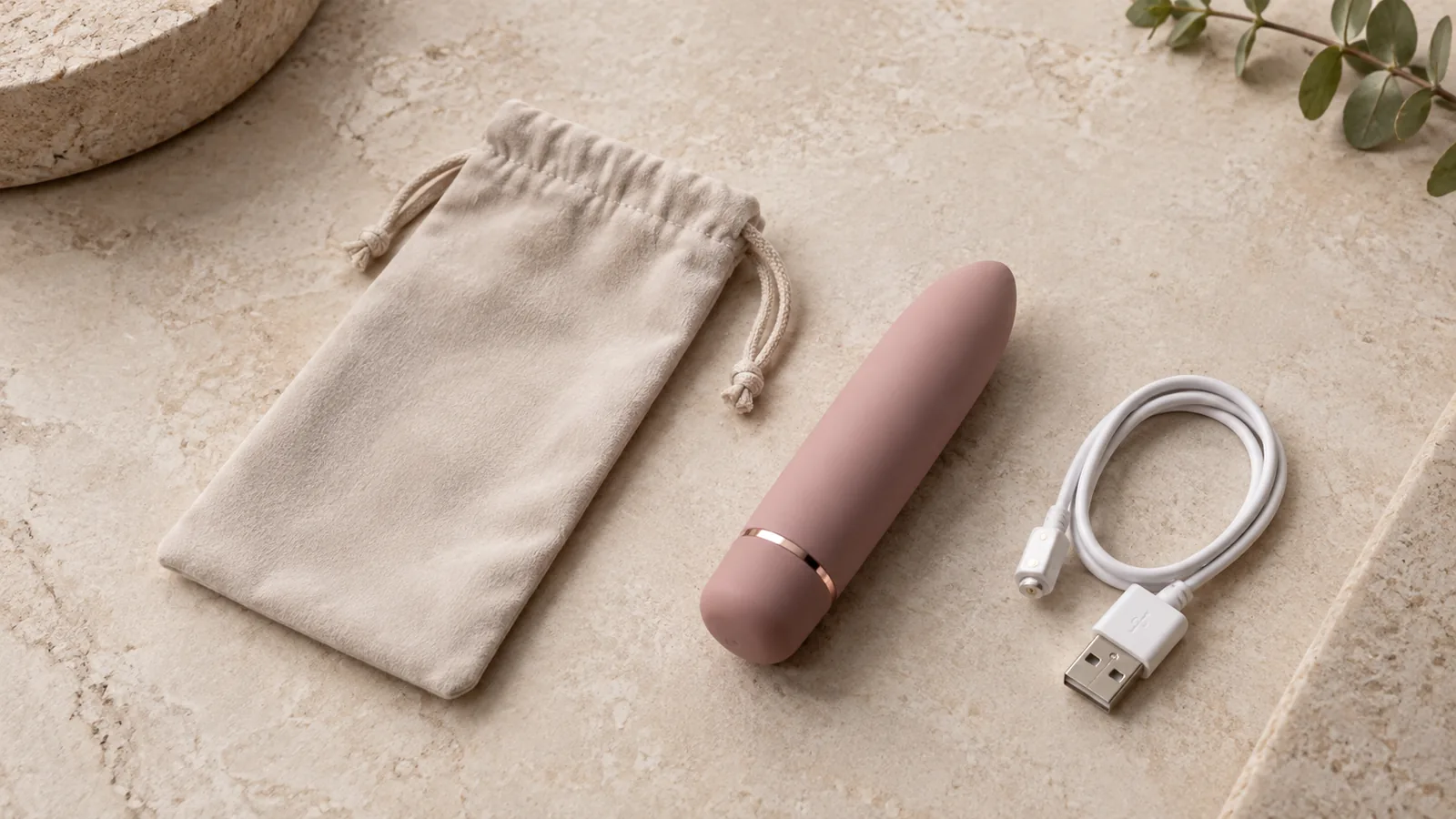
Preparation does not mean pushing a product beyond its described use. It means choosing a private, unhurried setting; checking the item is clean and intact; reading the instructions; and ensuring any chosen lubricant or barrier is compatible with the exact materials. When an electronic accessory is included, use only the stated charging or setup method and keep charging equipment dry. Do not open, alter, repair, or improvise with a product that has unclear or damaged components.
Buyer checklist: compare information that affects ownership
- Exact material statement, not a category label. Confirm it from the exact product page, supplied instructions, or current policy-not from a broad category assumption.
- One-piece versus mixed construction. Confirm it from the exact product page, supplied instructions, or current policy-not from a broad category assumption.
- Surface condition, seams, and edges. Confirm it from the exact product page, supplied instructions, or current policy-not from a broad category assumption.
- Weight, handling, and storage plan. Confirm it from the exact product page, supplied instructions, or current policy-not from a broad category assumption.
- Product-specific cleaning directions. Confirm it from the exact product page, supplied instructions, or current policy-not from a broad category assumption.
- Lubricant and accessory compatibility. Confirm it from the exact product page, supplied instructions, or current policy-not from a broad category assumption.
| Decision point | Useful evidence | Evidence to treat carefully |
|---|---|---|
| Product identity | Current model page, variant and supplied directions | A cropped photo or older post |
| Dimensions | Written measurements for the specific version | A small/medium/large label alone |
| Materials | Contact-surface and construction details | A marketing adjective |
| Care | Current product-specific directions | A generic internet tip |
| Compatibility | Product manual and lubricant/barrier label | Another model's review |
| Seller support | Current policy and official contact channel | A claim with no policy detail |
Compare like with like. A longer product is not necessarily a larger usable section; a curved shape is not a promise of an outcome; and a material label is not a complete care plan. Read what the seller has documented, then decide whether the product meets your requirements. An unresolved question deserves a written answer before checkout, especially when it concerns dimensions, intended application, materials, cleaning, delivery, or return eligibility.
Need one product fact verified before ordering? Contact LuxoVibe with the exact model and a focused question. Share only the details needed for the inquiry; our Privacy Policy explains the contact context.
Size, material, and intended application are connected
Dimensions are most useful when they are read together. Record overall length, usable length where stated, widest point, and external base or handle. Photographs can hide scale, perspective, or a model revision, so measurements should lead the comparison. A buyer should not feel pressured by a category label such as beginner, standard, or advanced. Comfort, consent, and personal boundaries matter more than a label, and stopping is always a reasonable choice.
For any product intended for anal insertion, a clearly described flared base or equivalent retrieval feature is a basic selection boundary. Planned Parenthood makes the same point in its consumer guidance: a toy used anally should have a wide base or other way to prevent it from slipping fully inside. A cord, a narrow handle, or a photo of a wider end is not automatically a documented substitute. Use compatible lubricant and do not continue through pain, resistance, numbness, or bleeding.
Material should be read with construction and condition. A surface may be non-porous, yet an item can still have joins, a base, a coating, or included accessories that require their own care. Before use, inspect for cracks, tears, chips, tackiness, sharp edges, loose parts, discoloration that is not explained by instructions, or any change that makes cleaning uncertain. Stop using a damaged item. Product facts can guide a selection; they cannot verify every individual condition or promise a personal result.
Care, storage, and lubricant compatibility
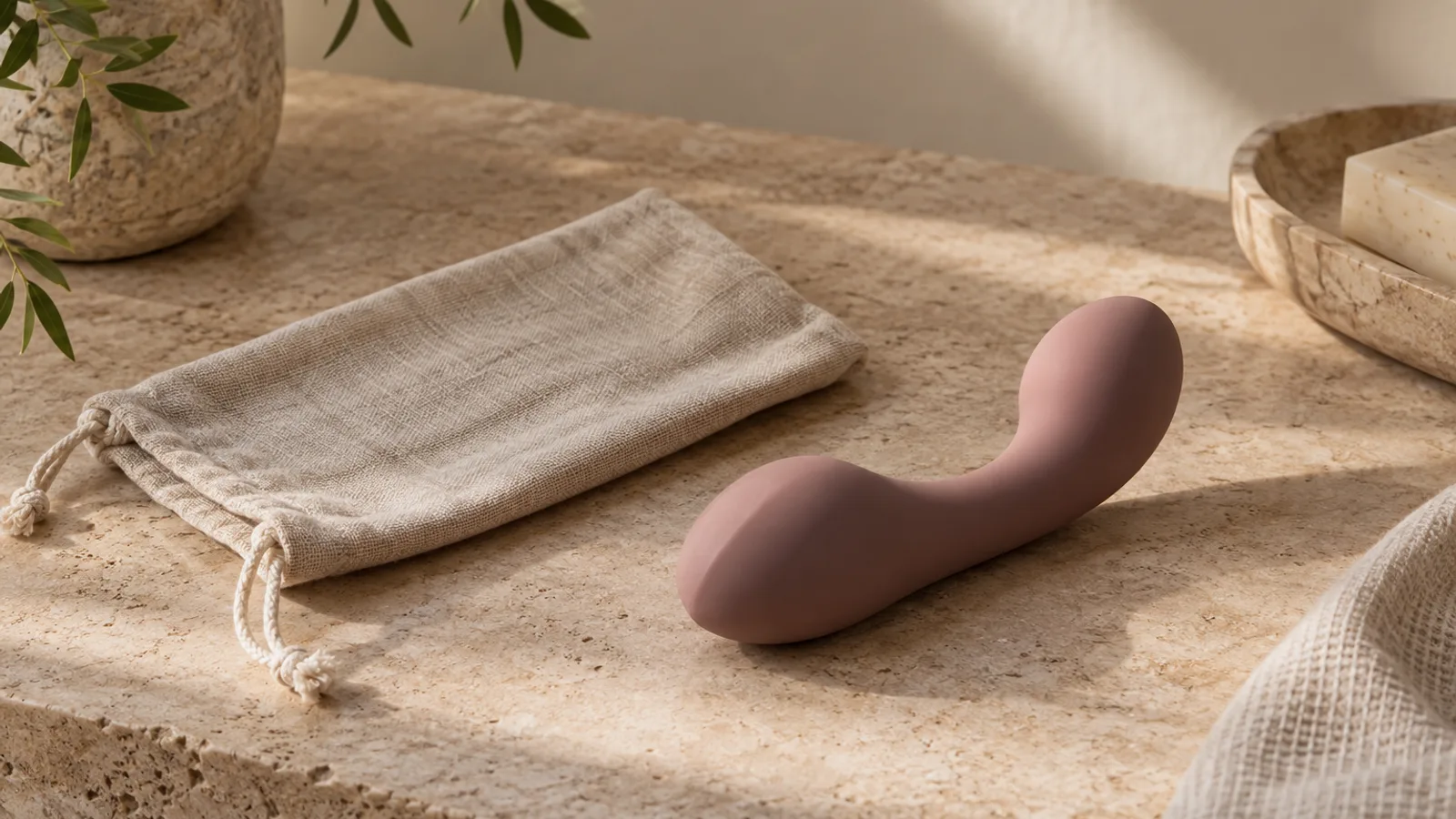
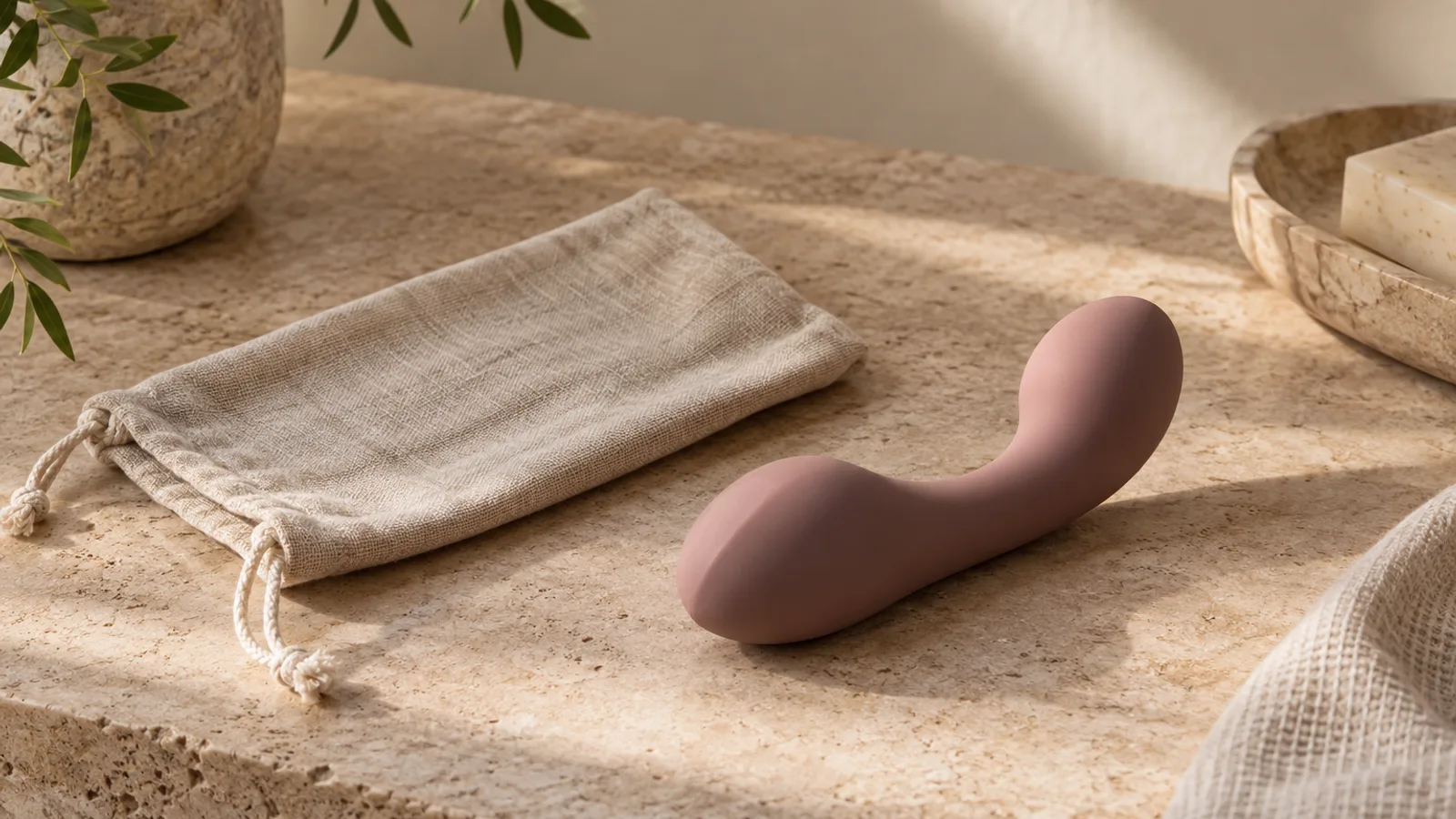
Clean before and after use in the way the exact manufacturer directs, then allow the product to dry fully before storage. Do not assume every product can be boiled, placed in a dishwasher, soaked, or cleaned with the same solution. The material, finish, mixed construction, and accessories all matter. Store a clean, dry product separately in a pouch or container, away from sharp objects, heat, excess moisture, and other items that may abrade or transfer material.
Lubricant compatibility requires an equally specific check. Planned Parenthood notes that silicone lubricant can react with and damage some silicone toys, and that water-based lubricant is often a safer general choice with toys and condoms. The final decision still belongs to the exact product manual and the lubricant label. If a latex barrier is involved, avoid oil-based products unless the barrier maker expressly says otherwise. Do not rely on a formula name, a social comment, or another product's review when the pairing is not documented.
For shared use, make the hygiene plan explicit: use a new barrier when relevant, clean between people or body areas as the instructions and credible health guidance require, and do not transfer a product from anal use to vaginal use without appropriate cleaning or a new barrier. This is a practical care boundary, not an assurance that eliminates risk. Keep a simple record of product instructions and compatibility answers with the item, rather than trying to reconstruct them later.

*A factual condition and documentation check makes a support question easier to resolve.*
Delivery, privacy, and support before and after checkout
Online shopping for a personal product has a privacy component. The FTC recommends comparison shopping, reviewing policies, assessing reviews critically, and keeping purchase records. Before payment, read the seller's privacy information, total cost, delivery promise, return conditions, and official support route. A word like discreet should be backed by current written details about packaging, delivery, and data handling; it is not a substitute for reading the policy.
Save only what is useful: the model page, policy links, order confirmation, delivery estimate, and support correspondence. Store those records privately. A legitimate support request may need the order number, exact model, delivery date, and clear photos of visible external damage. It should not need your password, full payment credentials, or unnecessary intimate information. Keep statements factual: describe what arrived, not an unproven cause.
When a parcel arrives, examine the outer package and compare the item, version, and included information to your record before breaking a hygiene seal. If something appears damaged, incomplete, or different from the listing, retain the parcel and packing material and ask the official seller what process applies. A support contact is not a guarantee of a refund, exchange, or warranty outcome; eligibility depends on the current policy, item condition, local law, and order facts.
When to pause rather than guess
Pause when the product cannot be identified, its intended application is unclear, a material or dimension is missing, care instructions conflict, a compatibility statement is absent, or the seller has no credible official support channel. This is not a failed purchase. It is a sound decision when documentation cannot support safe, informed ownership.
The same rule applies after delivery. Do not use an item with a broken seal, unexplained odor, rough or damaged surface, missing directions, or a component that seems altered. Do not attempt a home repair or use a product beyond its instructions. For persistent discomfort, irritation, injury, or an unexpected health concern, stop using the product and consult a qualified clinician.
Frequently asked questions
Does a material name prove a product is right for everyone?
No. Material information is one comparison point. Check construction, instructions, condition, intended use, and personal comfort too.
Can a hard-surface product be used if it is chipped or cracked?
No. Stop using a product with damage, roughness, a crack, a loose component, or another unexplained surface change.
Can I use silicone lubricant with a silicone product?
Do not assume so. Planned Parenthood advises that silicone lubricant can damage some silicone toys; follow the exact product and lubricant directions.
Conclusion
Compare silicone, glass, and stainless-steel dildos by the exact item's stated contact material, construction, surface condition, weight and handling, care directions, and compatibility guidance-not by material names alone. For internal use, body-safe non-porous material information is useful, but the current instructions and a damage check remain essential. The reliable path is to compare identifiable products using written facts, respect personal boundaries, follow the final instructions, and pause whenever one critical answer is missing. That is more useful than a universal recommendation and creates a clearer route to care, support, and a considered purchase.
Related resources
- Browse the LuxoVibe product catalog, read our Privacy Policy, and use Contact for exact-product questions.
- Read How to Clean Sex Toys, Safer Materials for Sex Toys, and Where to Buy Sex Toys With Confidence.
- For general consumer guidance, see Planned Parenthood's sex-toy guidance, CDC guidance on safer sex and shared toys, and FTC online-shopping guidance.
Need help choosing a product direction?
LuxoVibe can clarify catalog information, current product documentation, and ordering questions before you decide. Browse the product catalog or contact the team. Include only what is needed for your request; our Privacy Policy explains the contact process.
Ready when you are
Get the product information your next decision needs.
Request catalog context, a specification check, or a private-label conversation from LuxoVibe.