
Consumer wellness guide - 12 min read
What Should Beginners Know Before Buying Sexy Sleepwear?
Choose sexy sleepwear with a practical beginner checklist for measurements, fabric, coverage, closures, care, privacy, delivery, and return terms.
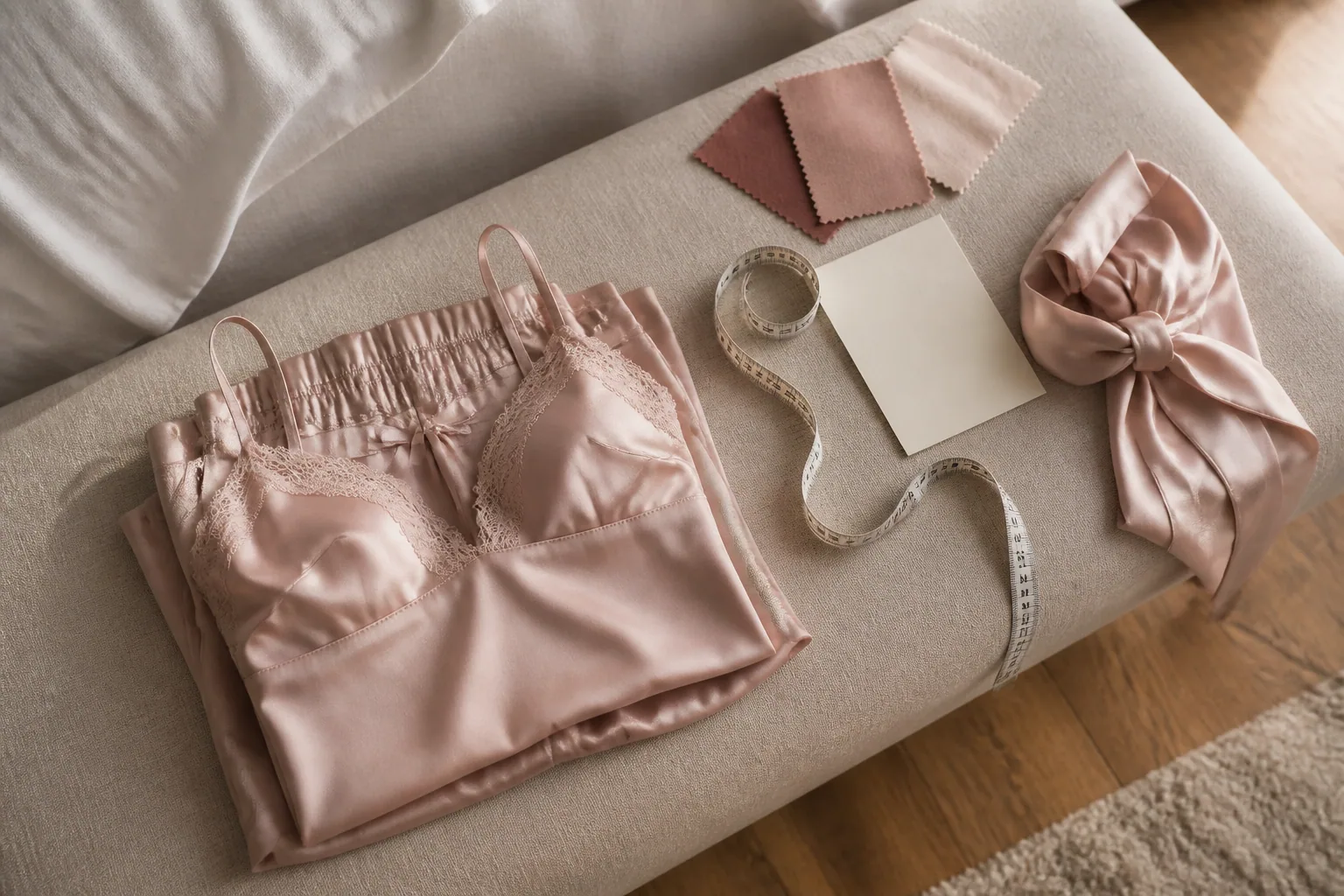
SEO title: Sexy Sleepwear Buying Guide for Beginners | LuxoVibe
Meta description: Choose sexy sleepwear with a practical beginner checklist for measurements, fabric, coverage, closures, care, privacy, delivery, and return terms.
URL slug: /blog/what-should-beginners-know-before-buying-sexy-sleepwear
Last reviewed: August 26, 2026
Quick answer
What Should Beginners Know Before Buying Sexy Sleepwear starts with the exact item and its written information. Check the selected variation, material or fibre content, size or fit guidance, care label, delivery and return terms, privacy practices, and official support route. Use reviews and photos as supporting evidence, not as a substitute for facts the seller can verify.
Introduction
Focus on measuring, style selection, garment construction, fabric, care labels, privacy and return terms. Keep language non-explicit and consumer educational. Two products can look similar in a product grid yet have different fabric blends, seam construction, size guidance, care limitations, delivery presentation, and return conditions. A useful purchase decision is therefore more than a styled photograph or one rating. It is a short record of what is confirmed for the exact variation you plan to order, what you personally prefer, and what remains unanswered.
This guide is consumer education for adults. It does not offer medical advice, make a universal comfort claim, or replace the product documentation supplied with an item. Its aim is to make ownership more predictable: identify the garment, read the relevant information before checkout, keep records after ordering, and use the official support route if the delivered item differs from the order.
Start with an exact-product record
Before comparing options, capture the model or style name, selected size and colour, product URL, listed fibre content, size chart, care instructions, contents, current price, delivery estimate, and policy links. This record protects against a common error: reading a review or policy for one variation and ordering another. A colourway can sometimes change lining or trim; a size can change a cut; a revised listing can change what is included. When the information is not specific, ask a narrow question before checkout.
Use three columns: confirmed facts, your priorities, and open questions. Confirmed facts should come from the current product page, care label, size chart, or official support response. Priorities may include a simple washing routine, a particular fabric feel, adjustable straps, a more private delivery location, or a budget. Open questions might cover fit, return eligibility, packaging, delivery notifications, or whether an accessory is included. An unanswered essential detail is a reason to pause, not to guess.
| Checkpoint | What to verify | Why it matters |
|---|---|---|
| Exact variation | Style, colour, size, and contents | Prevents a comparison with the wrong item. |
| Product construction | Fibre content, seams, straps, closures, or trim | Affects care, fit, and ownership routine. |
| Written guidance | Size chart, care label, and product instructions | Supports an evidence-led choice. |
| Order terms | Delivery, returns, exchanges, and support | Helps you act correctly if the order has an issue. |
| Privacy | Account data, payment page, messages, and packaging | Makes the purchase process easier to manage. |
How to evaluate beginner selection
The useful question is not whether a claim sounds reassuring; it is whether the claim can be checked for the exact item. Read the whole product page before jumping to a review summary. Look for a current size chart, fibre content, care information, detailed photos of closures or straps, what is included, and a route to contact the seller. If the site speaks broadly about quality but does not identify the materials, care, or selected variation, treat that as missing information rather than a positive signal.
When comparing retailers, use the same questions for each. Confirm the currency, any size-exchange process, return eligibility for unworn goods, shipping fees, delivery time, order-tracking process, and support method. The U.S. FTC's online-shopping guidance advises shoppers to compare sellers and products, review delivery and refund policies, consider what information a site collects, and keep records such as receipts and emails. Those are practical habits regardless of where a buyer lives; destination-specific rights and requirements may differ.
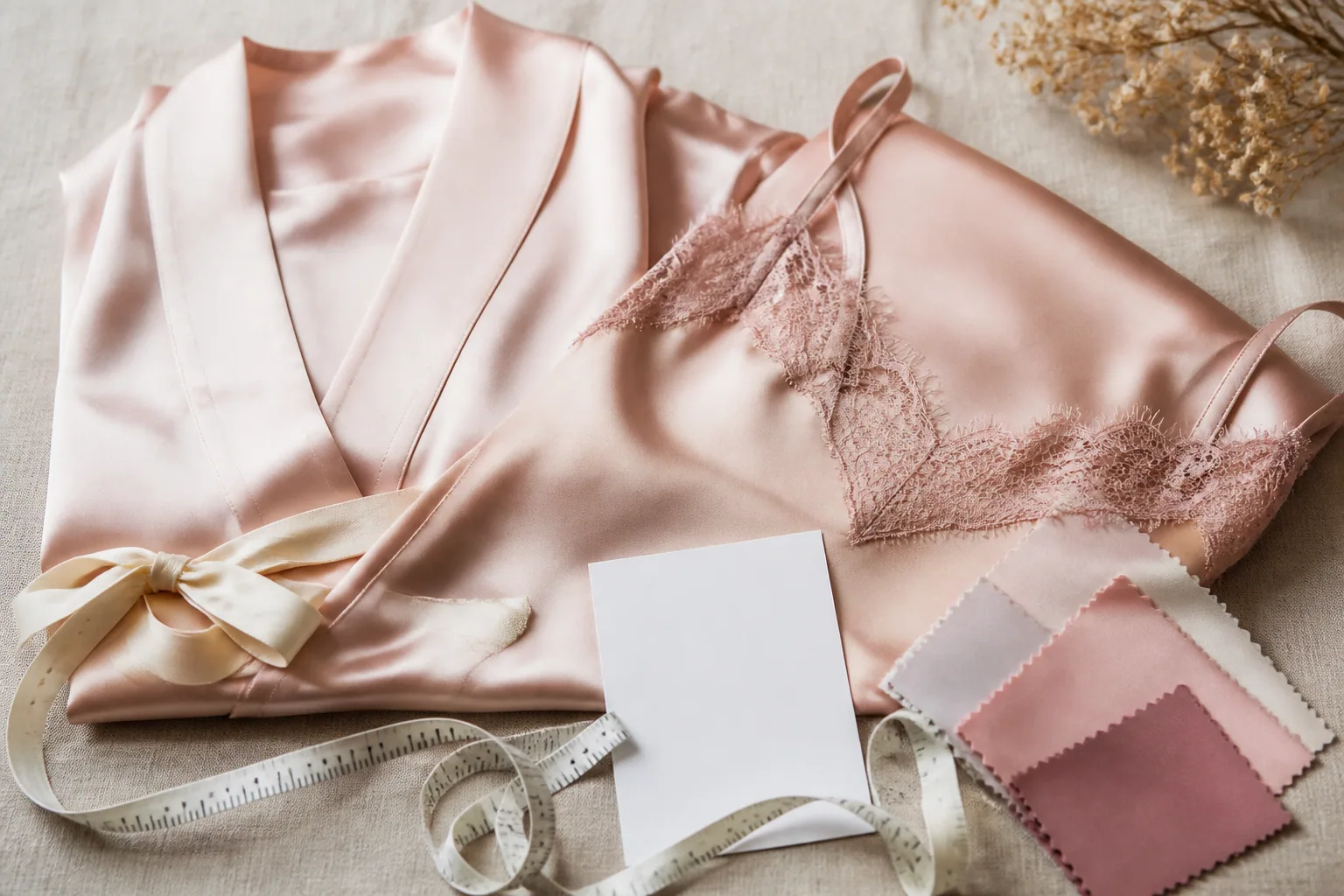
*Use the size chart for the exact style instead of relying on a familiar size label alone.*
Use product photos and reviews with a critical eye
Photos can show colour direction, styling, finish, and broad shape, but they rarely prove fit, fabric composition, opacity, elasticity, lining, or the care method. Product photography may use styling clips, controlled lighting, samples, or a garment in a different size. Compare images with the written size chart and construction details. If a photo and a listed detail appear to conflict, ask which information applies to the item currently offered for sale.
Reviews are most useful when they identify the exact item, version, date, size or fit context, and a specific ownership observation. A sentence such as "good quality" is not enough to confirm a fabric, size, or return process. Look for patterns across several sources and distinguish a review of the product from a review of the retailer's delivery or customer service. The FTC recommends considering where a review appears, who wrote it, and the reviewer's history rather than relying on star ratings alone. Its consumer guidance on evaluating online reviews also notes that reviews can be fake, deceptive, or manipulated.
Do not treat a negative review as proof that a product is universally unsuitable, either. Check whether it describes the same variation, a dated version, an unresolved delivery problem, a size selected without using the chart, or a personal preference that may not apply to you. A balanced decision uses reviews to create questions that documentation can answer.
Sleepwear-specific checks
Sleepwear comparisons should begin with the exact format: robe, camisole set, pajama set, slip, or another documented garment construction. These designs may share a fabric family but differ in length, closure, strap adjustment, coverage, opacity, lining, and care. Ask which measurements the chart uses and whether the product page identifies stretch or adjustable components. The goal is a garment whose documented fit and care routine makes sense for your own use and storage, not a promise that a style works identically for every person.
Fibre content and care labels are practical selection tools. Satin is a weave description, not a single fibre; it may be made from different materials and finished in different ways. A soft hand feel does not reveal whether a trim, elastic, seam, or closure needs extra care. Check the label and the current product details before washing or packing an item for travel. The FTC's care-label guidance explains why clear regular-care instructions matter for textile apparel.
For product teams developing a sleepwear collection, factory testing and shipment inspection can be relevant at the sourcing stage: review material composition, seam quality, label placement, packaging, and approved samples before a bulk order ships. A consumer page should never present those checks as completed for an exact retail garment unless the seller documents them. The responsible approach is to ask for the applicable information and avoid assuming it from a photo.
Protect privacy and preserve the order record
Privacy starts with the account and checkout process. Read the site's Privacy Policy and Terms before entering unnecessary personal information. Use a delivery address and email account you can access reliably, keep the order number private, and never send card details or passwords to support. A secure-looking page is not the only thing to check; confirm the seller identity, public contact details, policy pages, and whether the website explains how data is used. The FTC's marketplace-buying advice similarly recommends reviewing terms, fees, return policies, seller ratings, and the information a site will protect and use.
For a privacy-sensitive category, ask what can be known without assuming a promise. A retailer may explain plain packaging, delivery notification controls, or billing descriptors, but those details should be written and current. Do not promise anonymous delivery, a specific label, or a particular carrier process unless the seller documents it for the destination. Keep screenshots or saved copies of the delivery, return, and privacy pages that applied at checkout, together with the confirmation email.
Inspect delivery before changing the item
When an order arrives, compare the outer parcel, style name, selected variation, included components, and visible condition with the confirmation before wearing, washing, altering, or discarding packaging. If an item is missing, incorrect, or visibly damaged, take clear photos, keep the packaging where practical, and use the official support route promptly. This is a customer arrival check, not a factory test or shipment inspection. It helps the seller identify the order and lets you follow the policy that applies to a delivery issue.
For apparel, do not assume an exchange or return is automatic after a garment has been worn, washed, altered, or handled outside the stated condition. Read the policy before removing tags or testing a size in a way that could affect eligibility. The seller's policy should identify the reporting deadline, condition requirements, any return authorization process, and who bears shipping costs. Where a warranty is mentioned, distinguish a manufacturing-fault claim from a size preference or change-of-mind request.
Need the current product details confirmed? Contact LuxoVibe with the exact category or model, destination, and question. Share only what is needed for the request; see the Privacy Policy for the contact-data process.
A practical pre-order checklist
- Confirm the exact style, variation, and selected size.
- Read the material or fibre-content information and care guidance.
- Compare the size chart with your own current measurements or a garment that already fits.
- Review the delivery, return, exchange, warranty, Privacy Policy, and contact pages.
- Read multiple dated, model-specific reviews and identify any disclosure or inconsistency.
- Save the product page and policy records that apply before checkout.
- Inspect the order on delivery before wearing, washing, charging, or altering it.
This list also helps a business buyer prepare a clearer request. A retailer, distributor, or private-label team can turn the same checkpoints into customer requirements for sampling, label review, factory testing, packaging, and shipment inspection. The evidence needed for a production order is more detailed than a consumer purchase, but the principle is identical: verify the exact product and keep the decision traceable.
Frequently asked questions
Is the most expensive option always the best choice?
No. Price can reflect fabric, construction, included accessories, packaging, distribution, or retail positioning, but it does not prove a better fit or easier ownership routine. Compare like-for-like information and choose the option whose documented requirements you can follow.
Can customer reviews replace the product page or care label?
No. Reviews can surface helpful questions, while the current product page, size chart, care label, and policy pages should guide decisions for the exact variation in your cart. If sources disagree, ask the seller which current information applies.
What should I do if a delivered item is damaged or incorrect?
Pause before wearing, washing, altering, or discarding the packaging. Photograph the order, retain the order number, and contact the official support channel with a concise description of the issue and the policy details that apply.
Why should I read the Privacy Policy before an online purchase?
It helps you understand what information the site says it collects and how it handles accounts, orders, and contact requests. It also helps you decide what data is necessary to share and gives you a written point of reference if you need support.
Conclusion
What Should Beginners Know Before Buying Sexy Sleepwear is easier when the decision is based on current evidence: the exact variation, written construction and care information, fit guidance, policies, support route, and a realistic plan for delivery and storage. Product images and reviews can make that evidence more useful, but they should not replace it. Take a short pause whenever an essential detail remains unclear.
Related resources
- Browse the LuxoVibe product catalogue for product-category information.
- Read How Do I Compare Lingerie With Similar Products? for a like-for-like apparel checklist.
- Review the LuxoVibe Privacy Policy and Terms before submitting a question.
- See the FTC's apparel and labeling guidance and online shopping guidance for general consumer information.
Need help choosing a product direction?
LuxoVibe can help clarify current catalogue information and ordering questions. Send your requirements with the category, destination, preferred format, and information you need confirmed, or browse the product catalogue. Do not include payment-card information, passwords, or unnecessary personal data in a contact request.